The Alhambra
Granada
No ratings yet
A spectacular fortress and palace with a rich history. Explore its intricate details and beautiful gardens.
These are the 47 places you cannot miss if you travel to Andalucía. Save your favourites and open them in Google Maps to plan your route.
There are no places with those filters.
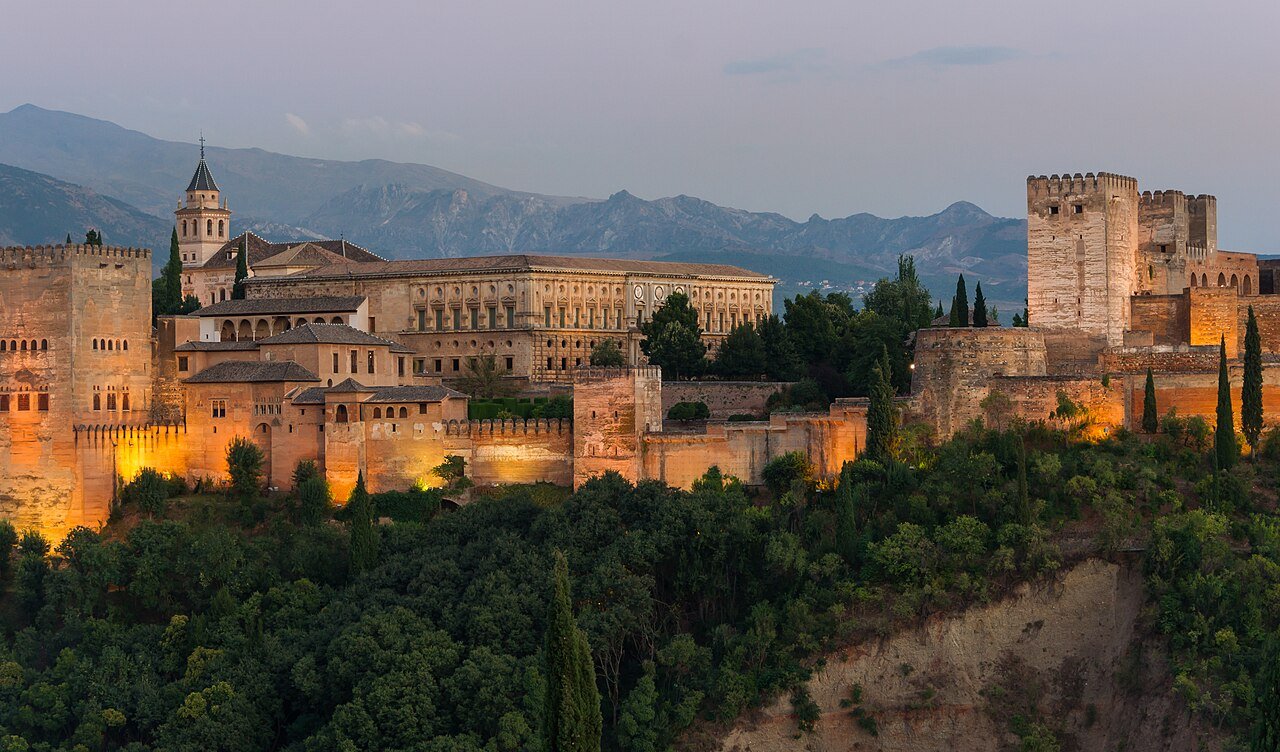
Granada
A spectacular fortress and palace with a rich history. Explore its intricate details and beautiful gardens.
Córdoba
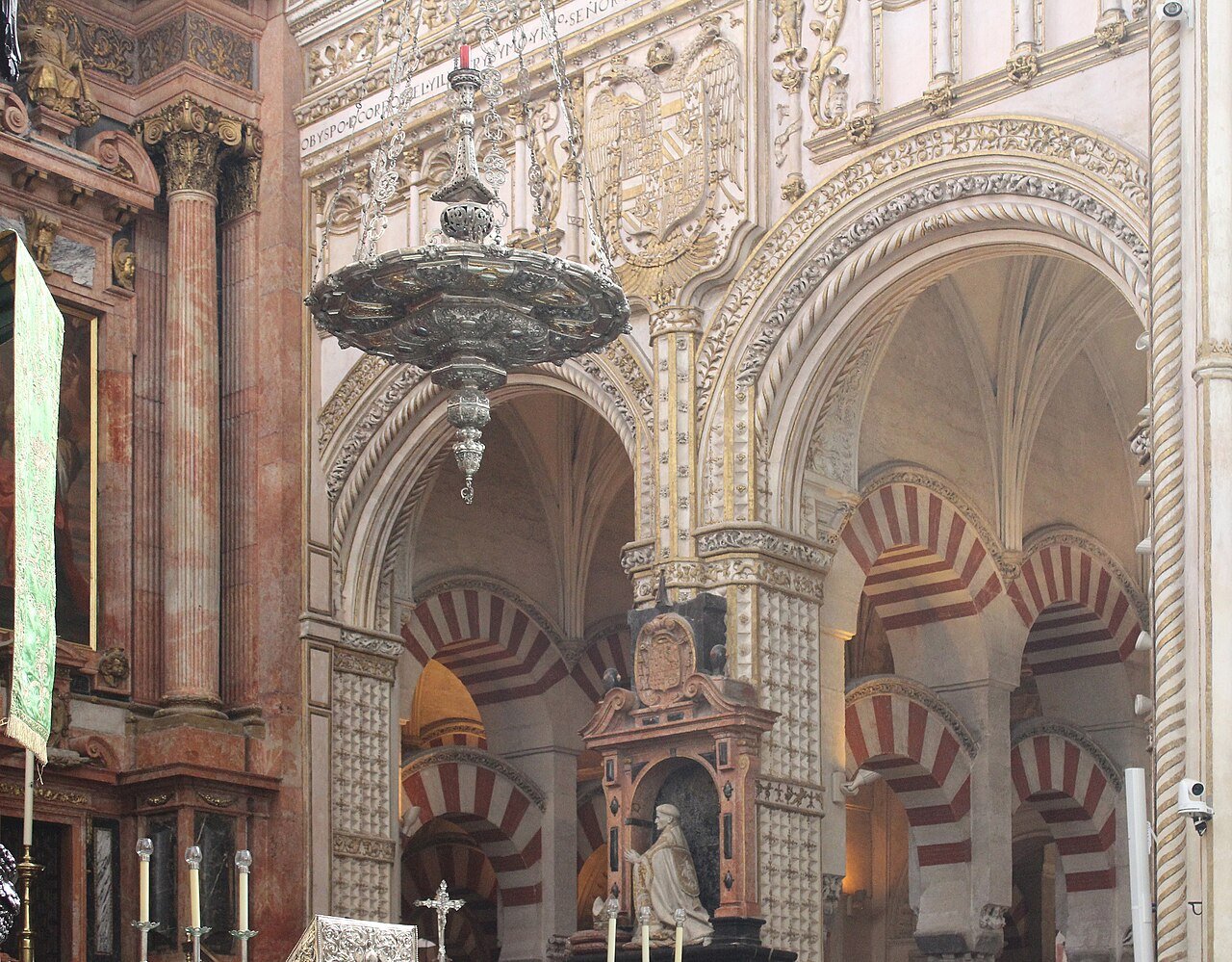
Famous for its architecture and blend of cultures, it is one of the most iconic monuments in Spain.
Sevilla
An impressive tower that is the symbol of the city, offering panoramic views over Seville.
Málaga
Known for its crystal-clear waters and golden sandy beaches, it is one of the most popular tourist destinations.
Sevilla
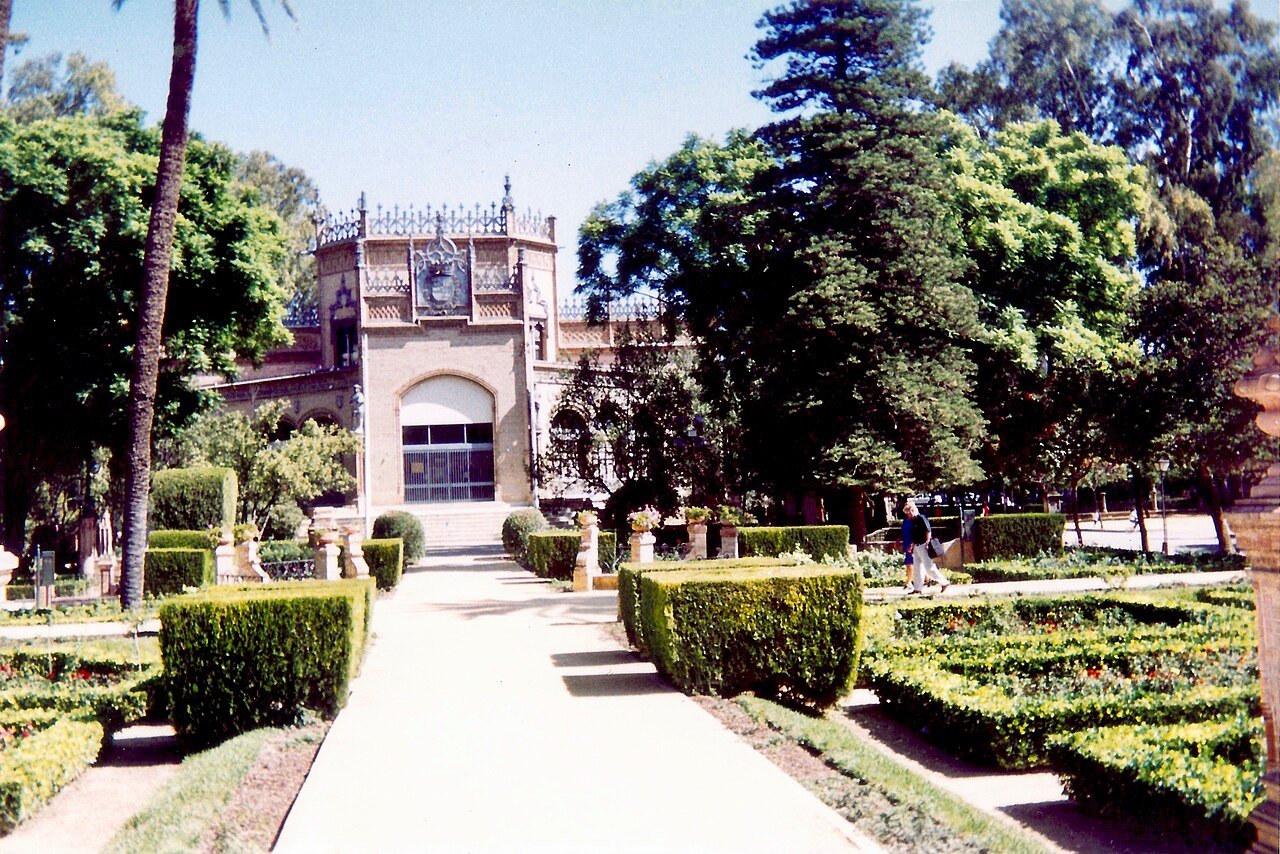
A large park in Seville that is perfect for a stroll, with lush gardens and historic monuments.
Cádiz
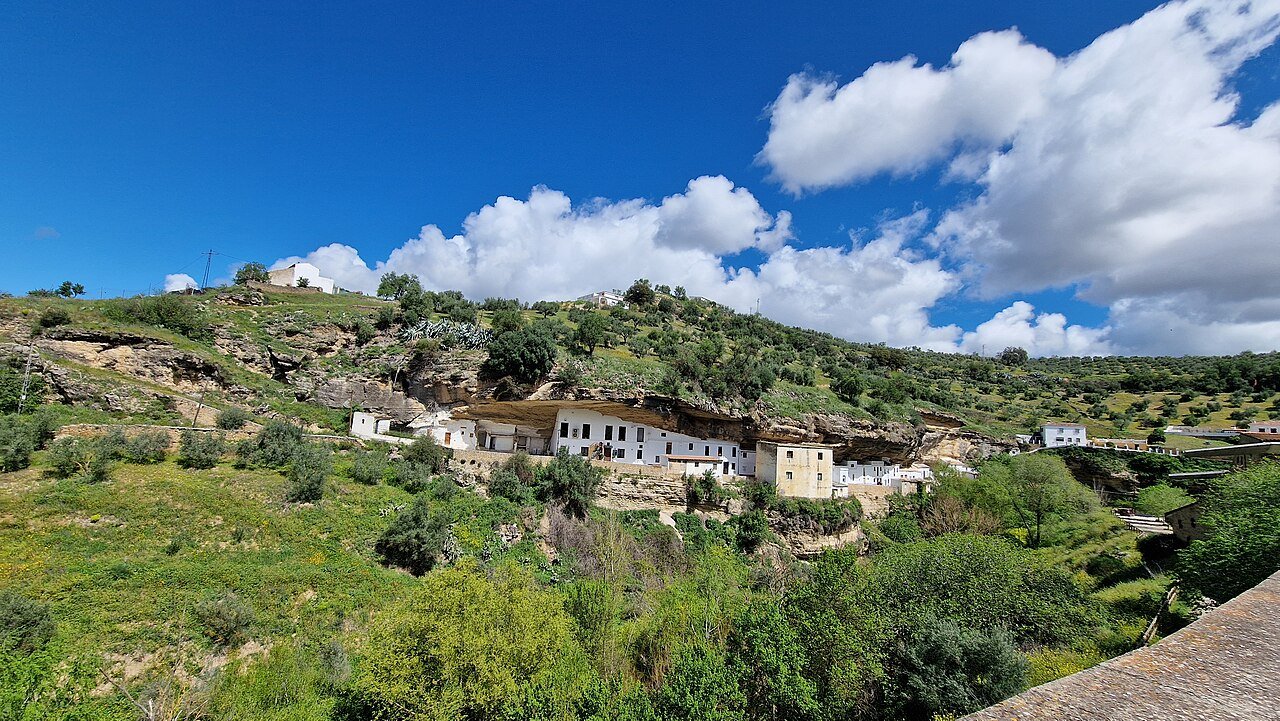
A picturesque village in Cádiz famous for its houses built under huge rocks. A unique and charming destination.
Huelva
One of the most important nature reserves in Europe, home to unique species such as the Iberian lynx and a huge variety of birds.
Málaga
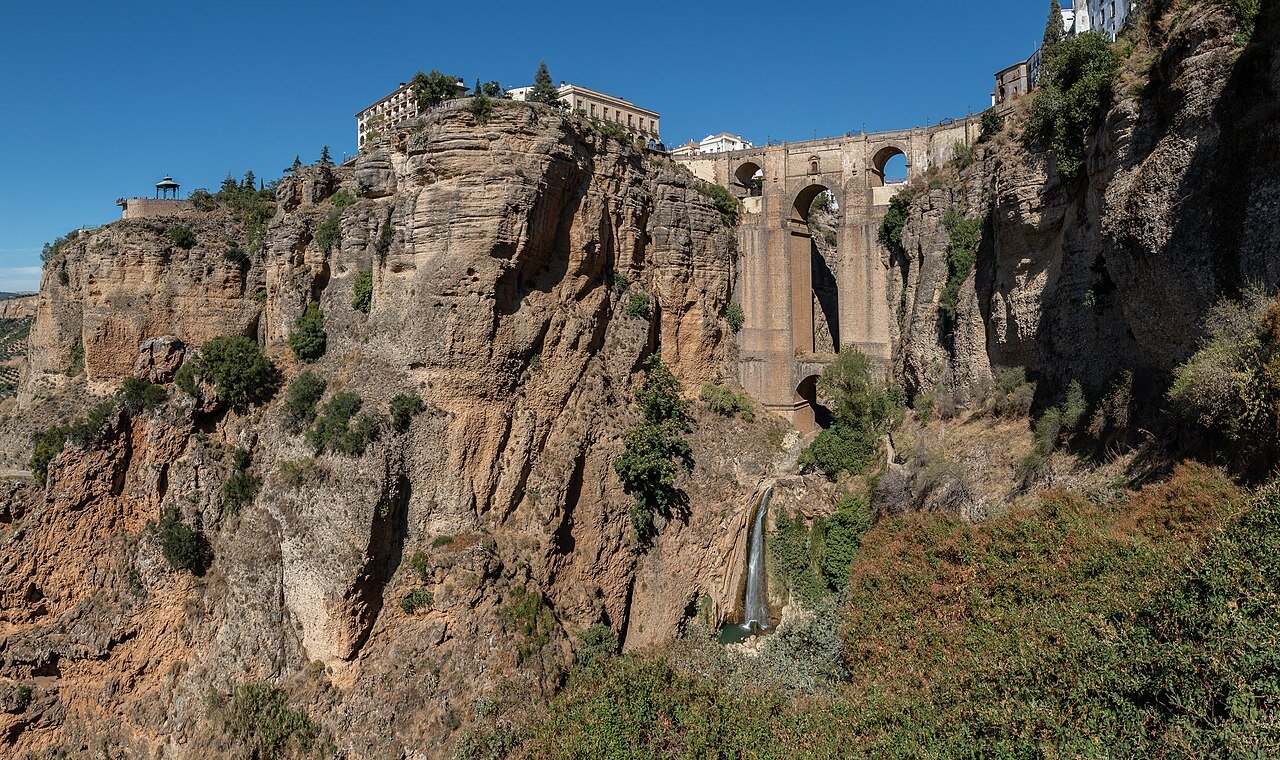
A town spectacularly perched over a gorge, with a famous bridge offering breathtaking views and a fascinating history.
Jaén
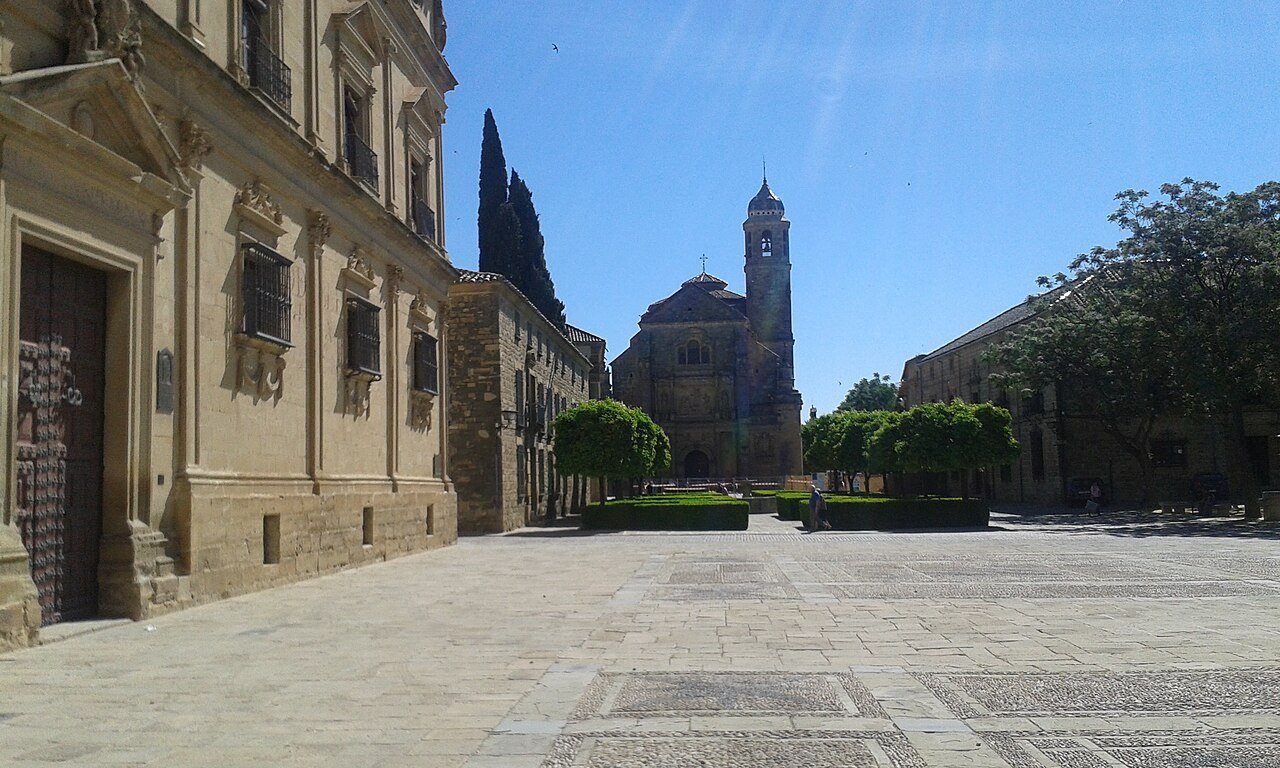
Two gems of the Andalusian Renaissance, UNESCO World Heritage Sites with an impressive architectural and historic heritage.
Sevilla
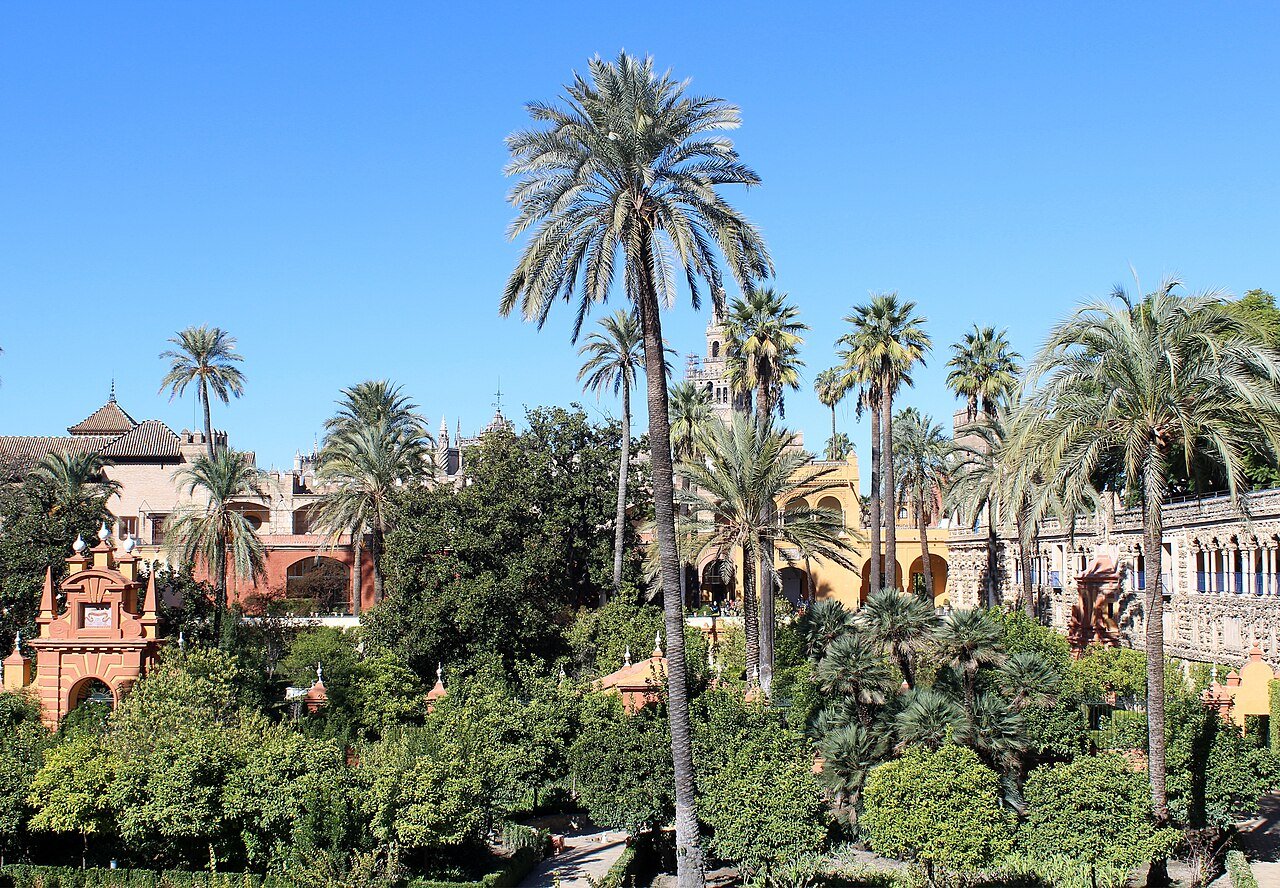
The oldest royal palace still in use in Europe, blending Mudéjar, Gothic and Renaissance art, with spectacular gardens.
Málaga
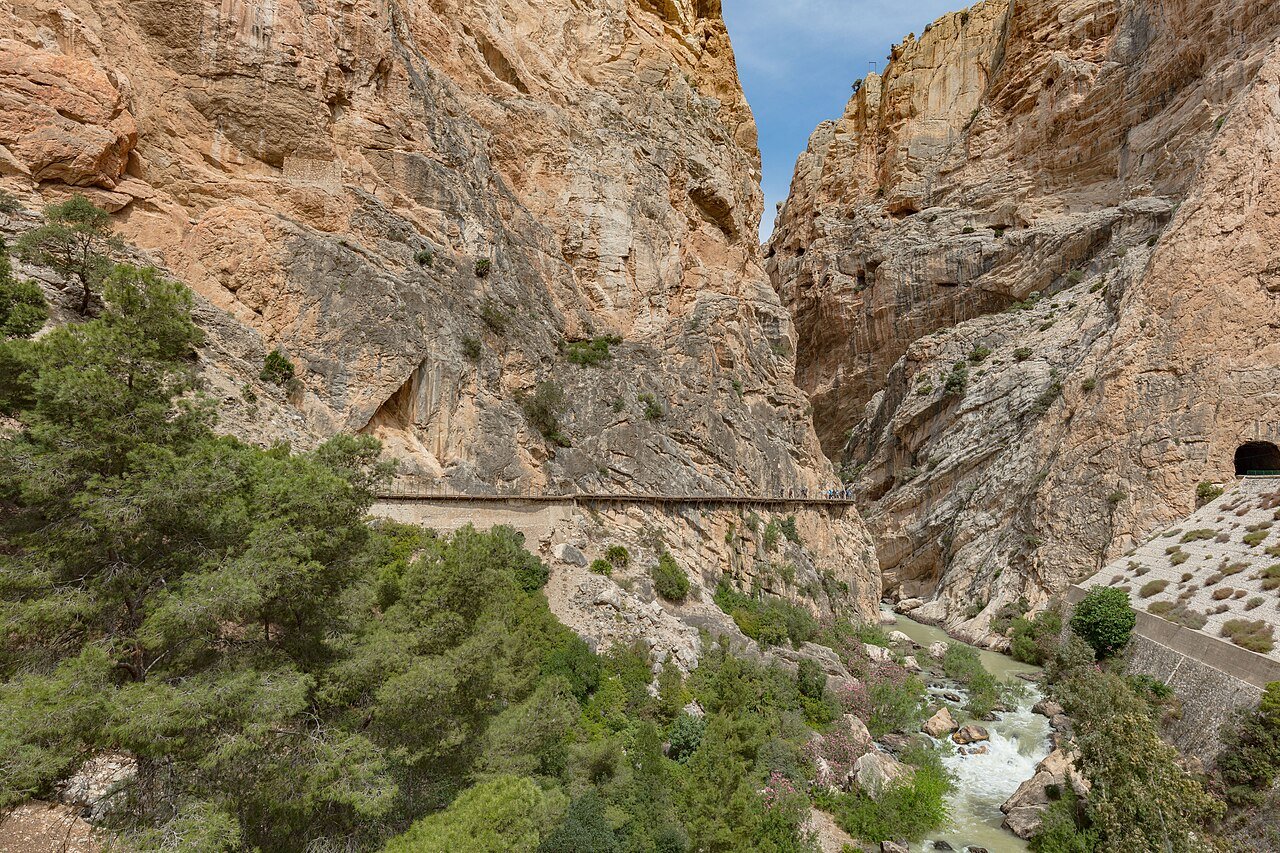
A walkway pinned to the walls of the Gaitanes Gorge in Málaga, with dizzying views over the Guadalhorce river.
Cádiz
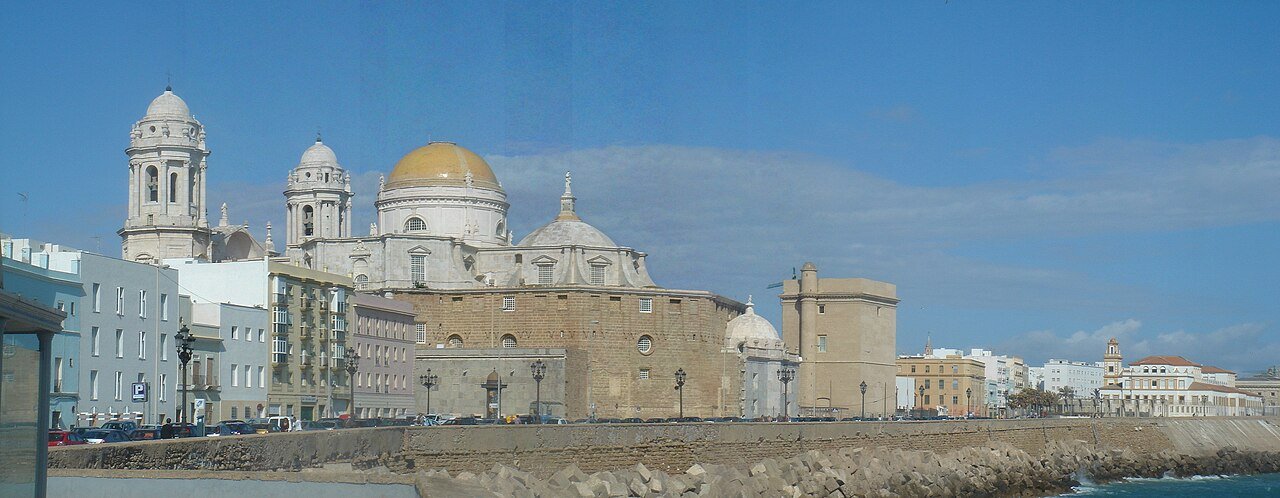
The oldest city in the West, surrounded by the sea, with its golden cathedral, the La Viña quarter and city beaches such as La Caleta.
Almería
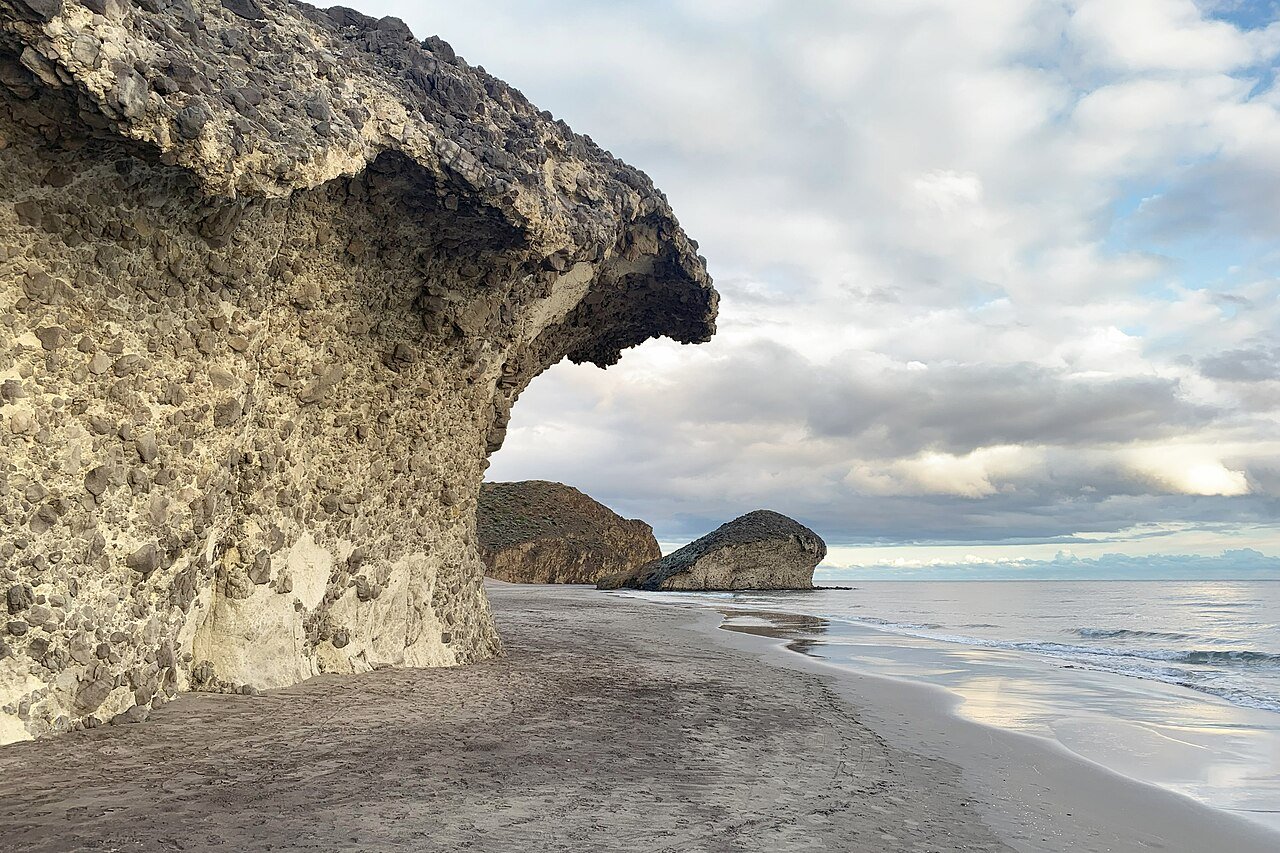
A volcanic landscape in Almería with unspoilt coves such as Los Muertos or Mónsul and white villages by the sea.
Granada
The highest mountains in the peninsula, with Mulhacén and the southernmost ski resort in Europe, next to Granada.
Córdoba
The ruins of the palace city built by Caliph Abd al-Rahman III near Córdoba, a World Heritage Site.
Málaga
A karst landscape with limestone rock formations of incredible shapes, one of the most curious landscapes in Europe.
Málaga
A Moorish palace fortress next to the Roman theatre, with courtyards, gardens and views over the port of Málaga.
Granada
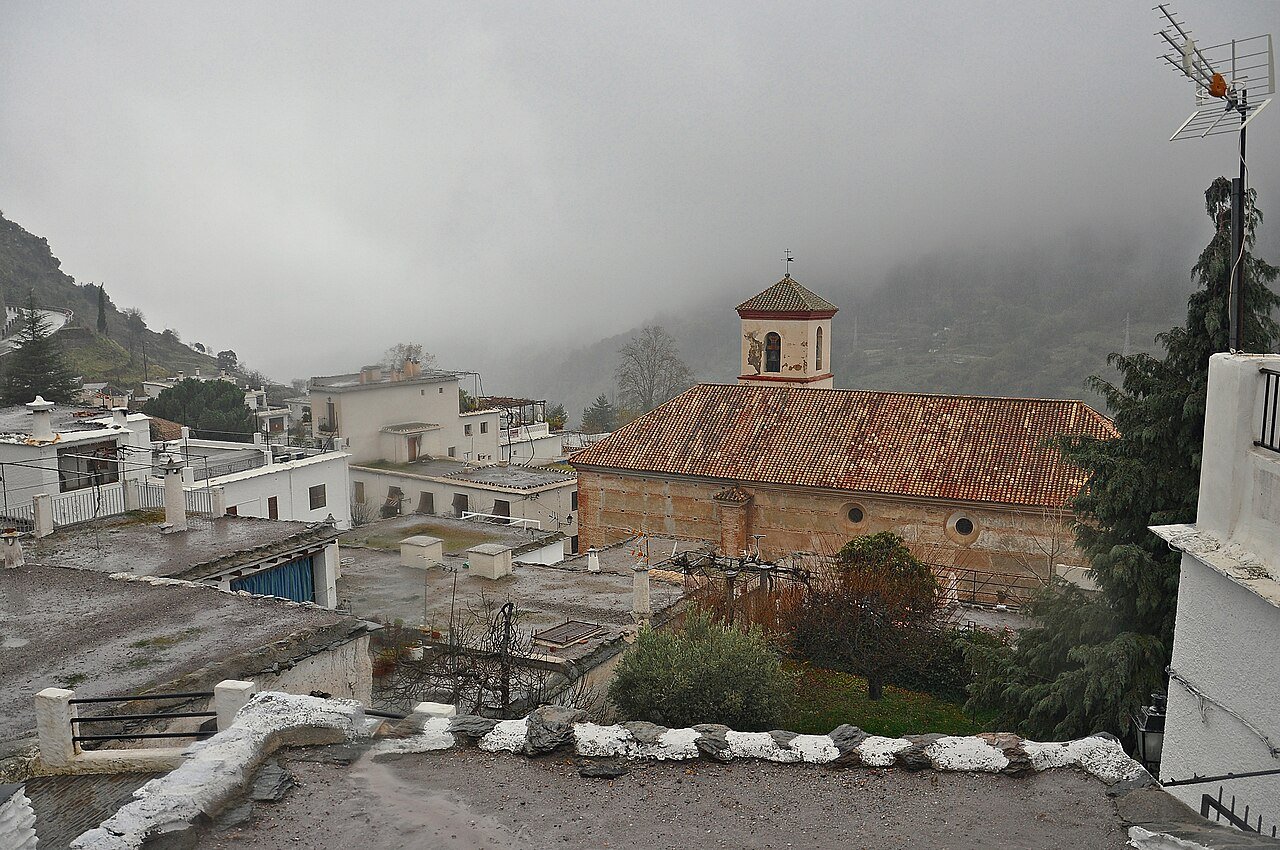
White villages clinging to the southern slopes of Sierra Nevada, such as Pampaneira, Bubión and Capileira, with their flat roofs and chimneys.
Córdoba
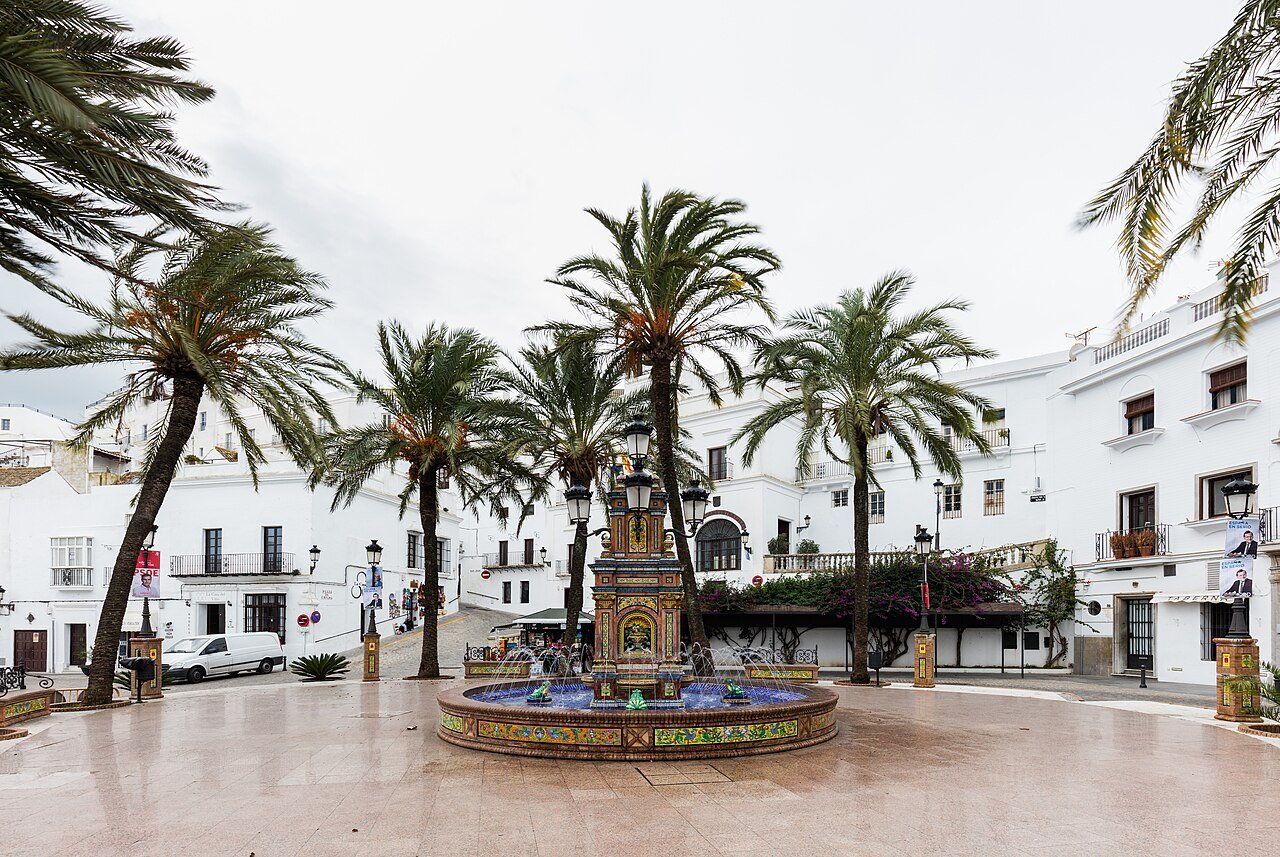
The jewel of Córdoba's Baroque, with the Fuente del Rey fountain and the Villa quarter, whose white streets are full of flowers.
Cádiz
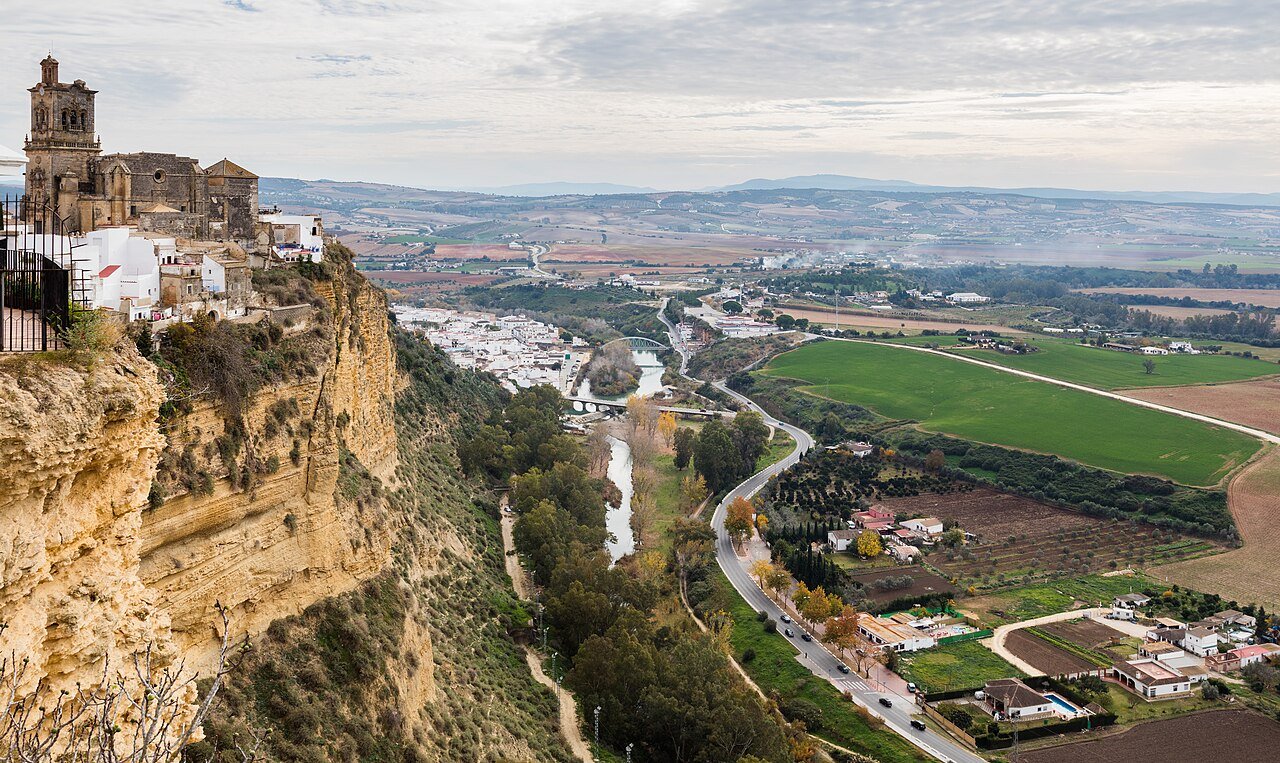
A white village perched on a crag above the river Guadalete, with dizzying viewpoints and a lovely old town.
Huelva
A cave beneath Aracena castle with underground lakes and colourful formations, in the heart of the Huelva mountains.
Huelva
Full-size replicas of Columbus's three ships next to the place where he set sail for America in 1492.
Jaén
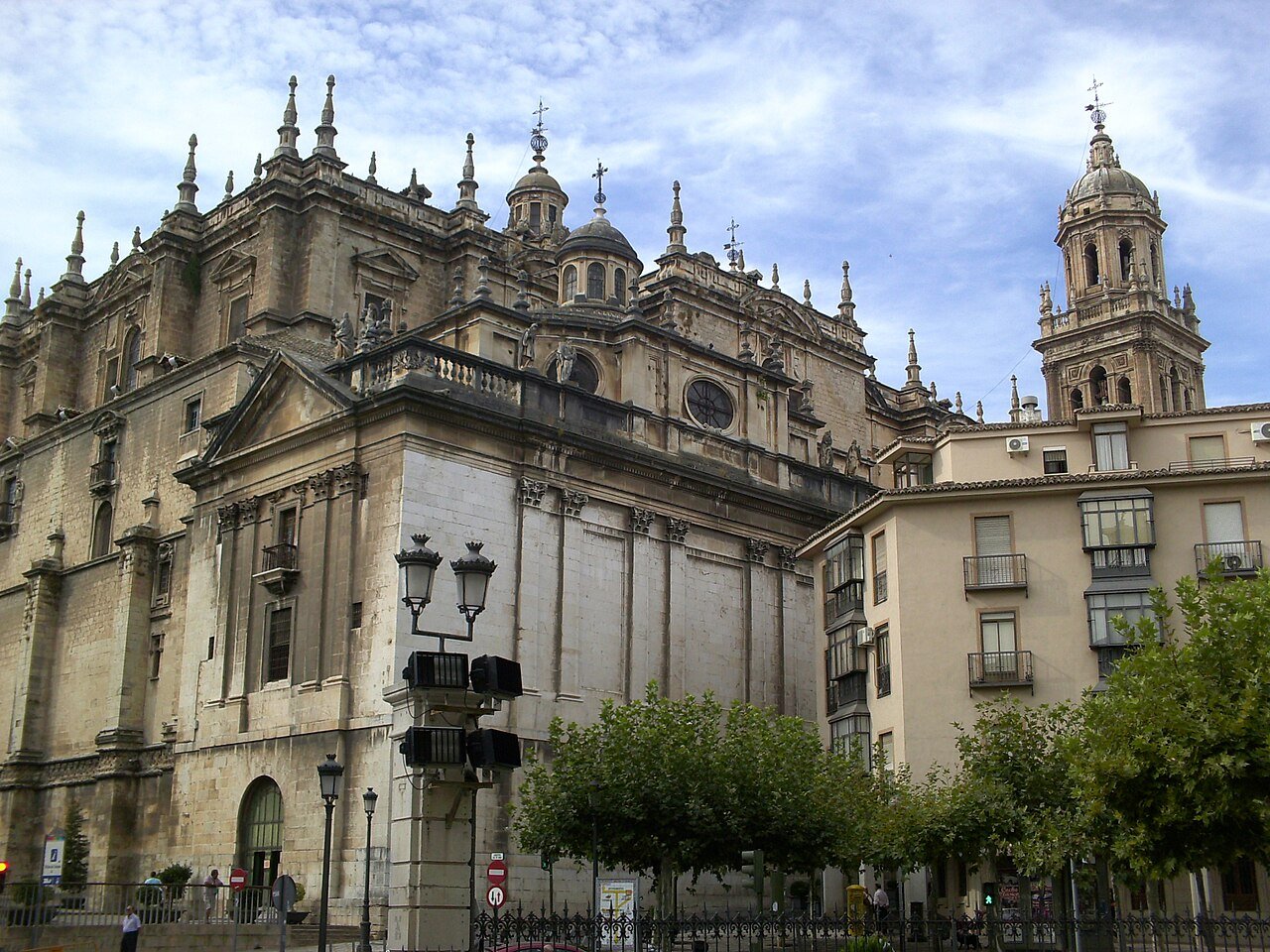
A great Renaissance cathedral by Andrés de Vandelvira, the model for many cathedrals in the Americas.
Jaén
The largest protected area in Spain, where the Guadalquivir rises, with deer, mountain goats and waterfalls.
Almería
One of the largest Moorish fortresses in Spain, with walls running down the hill above the city and the sea.
Almería
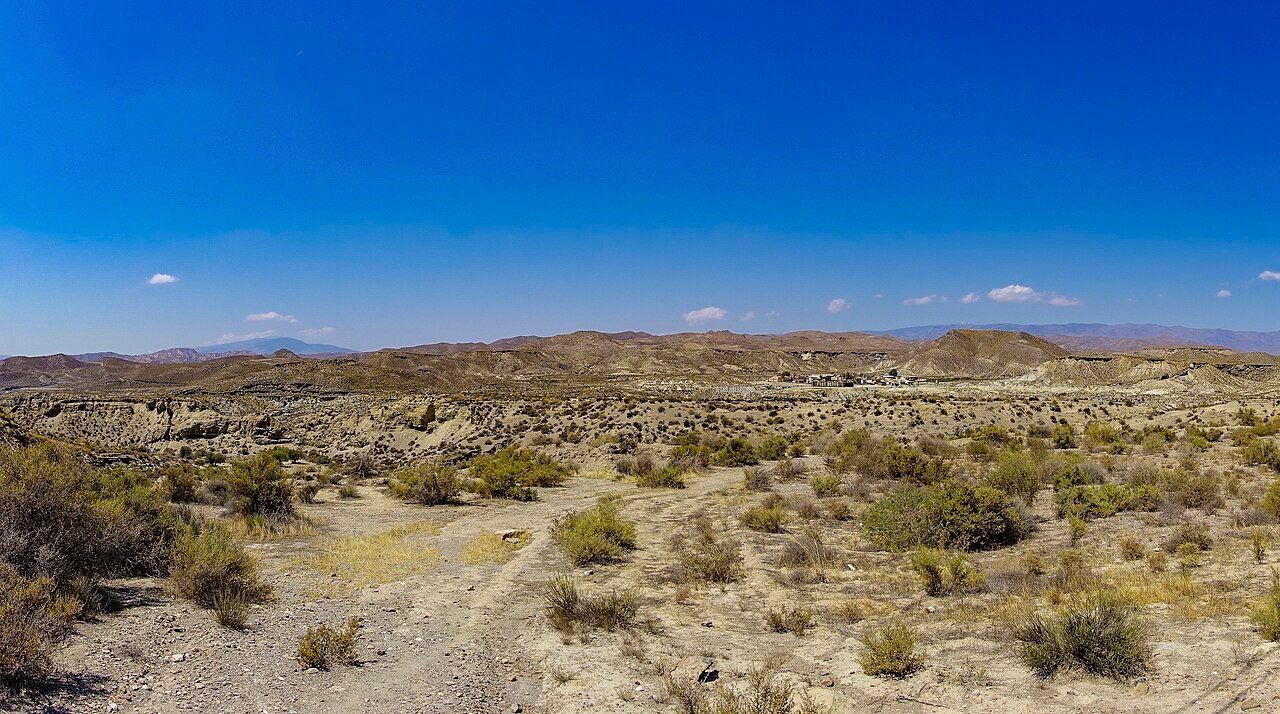
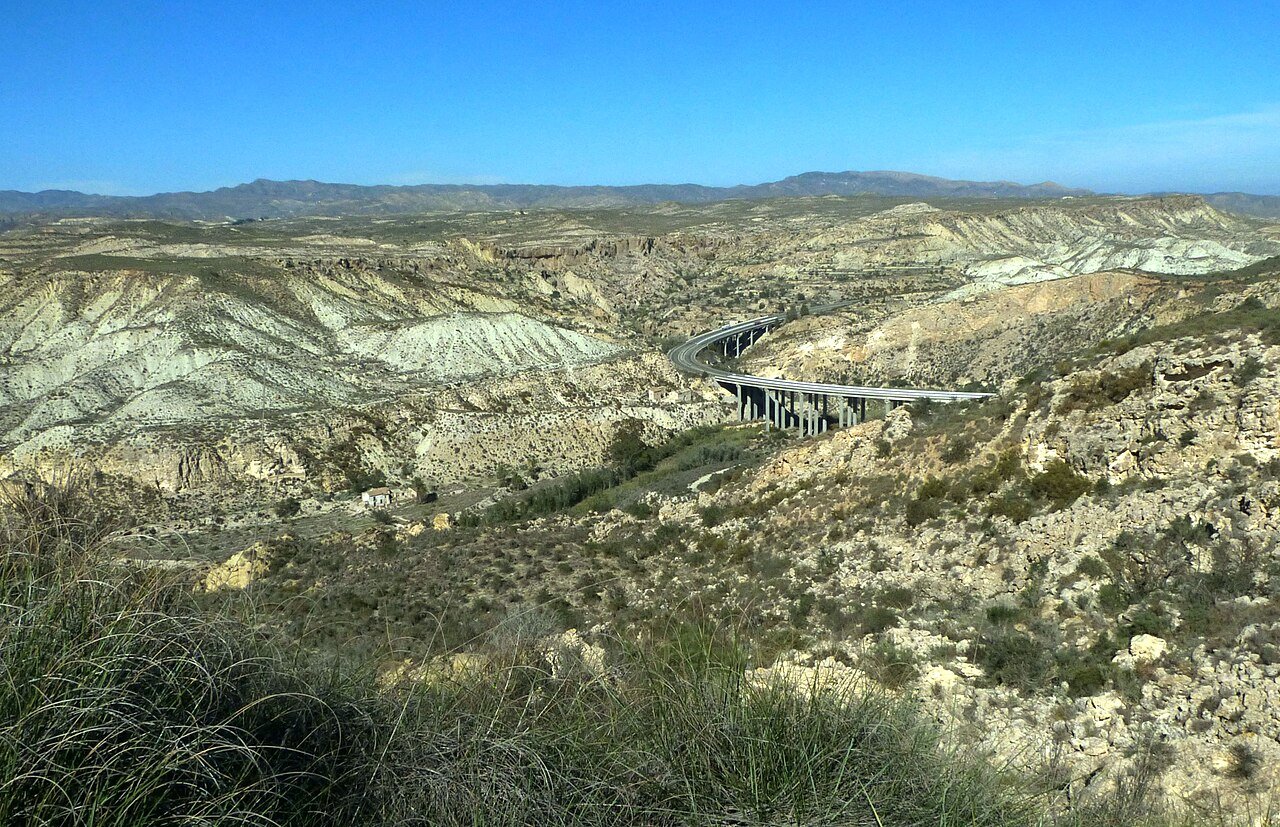
The only desert in Europe and the setting for many westerns, with dry riverbeds and reddish lands.
Sevilla
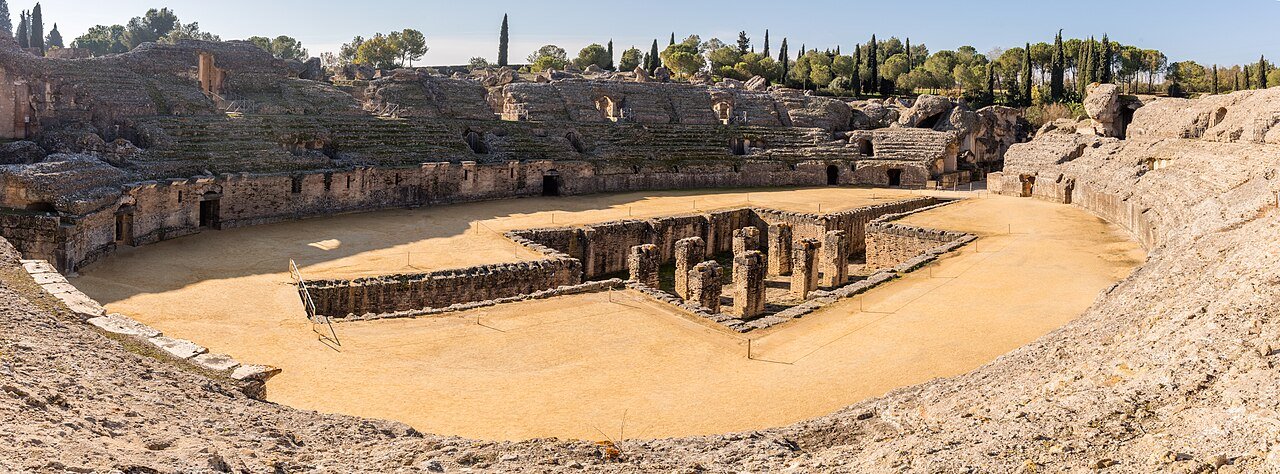
A Roman city founded in 206 BC, birthplace of the emperors Trajan and Hadrian, with one of the largest amphitheatres of the Empire.
Cádiz
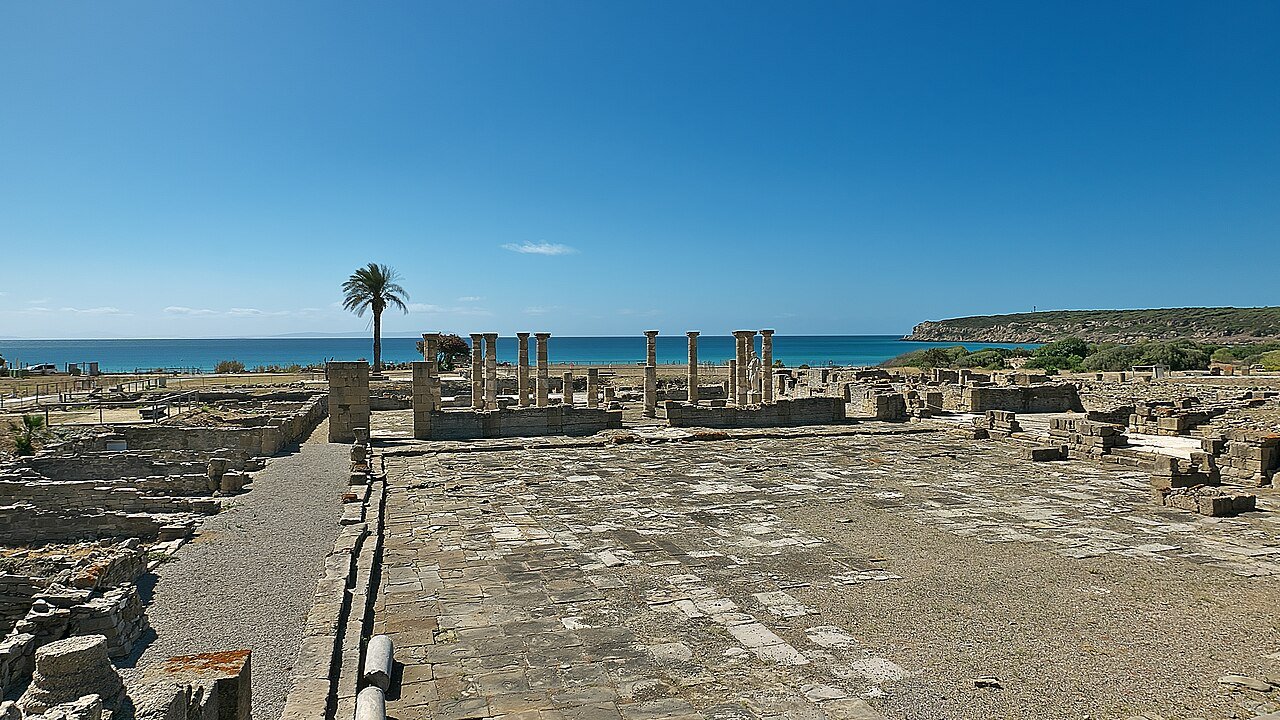
The ruins of a Roman seaside town next to one of the wildest beaches in Cádiz, with its huge sand dune.
Almería
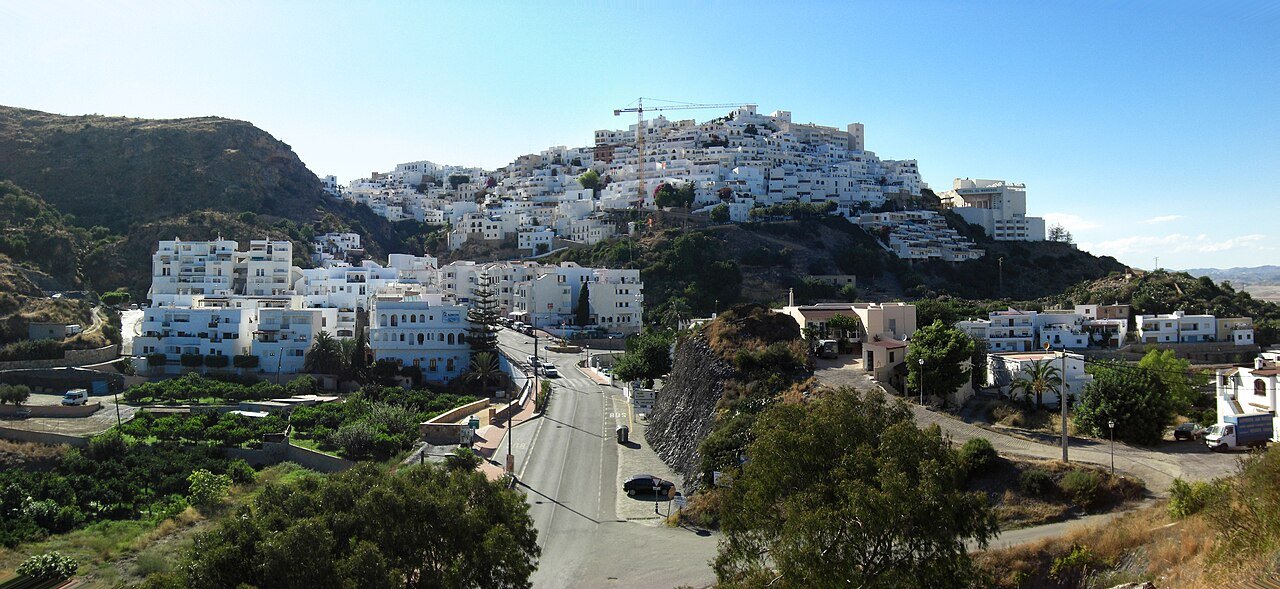
A white village clinging to a hill facing the Mediterranean, with steep streets, viewpoints and nearby beaches.
Huelva
A mining landscape of unreal colours along the river Tinto, with its tourist train and the huge Corta Atalaya pit.
Granada
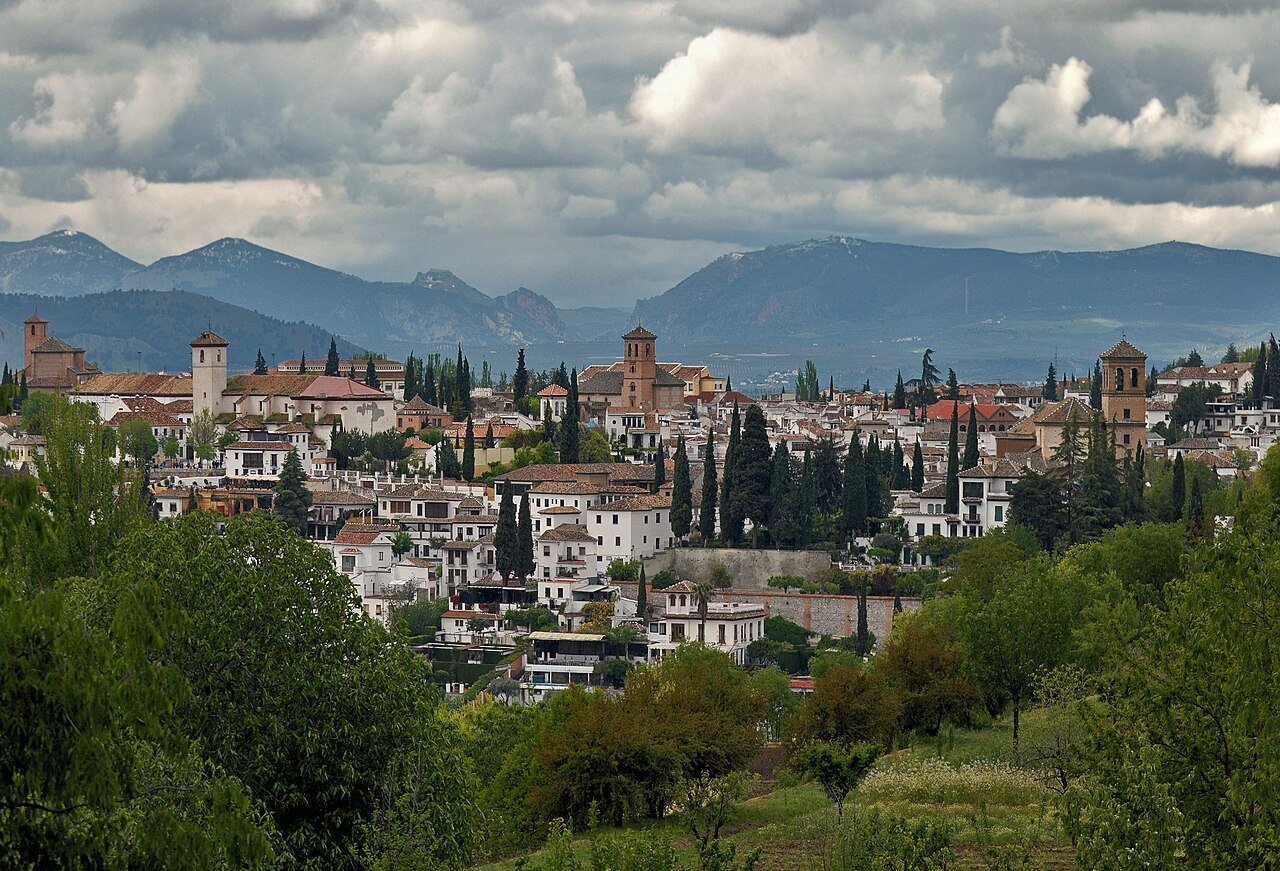
Historic quarters of Granada with narrow white streets, the San Nicolás viewpoint facing the Alhambra and the flamenco caves.
Almería
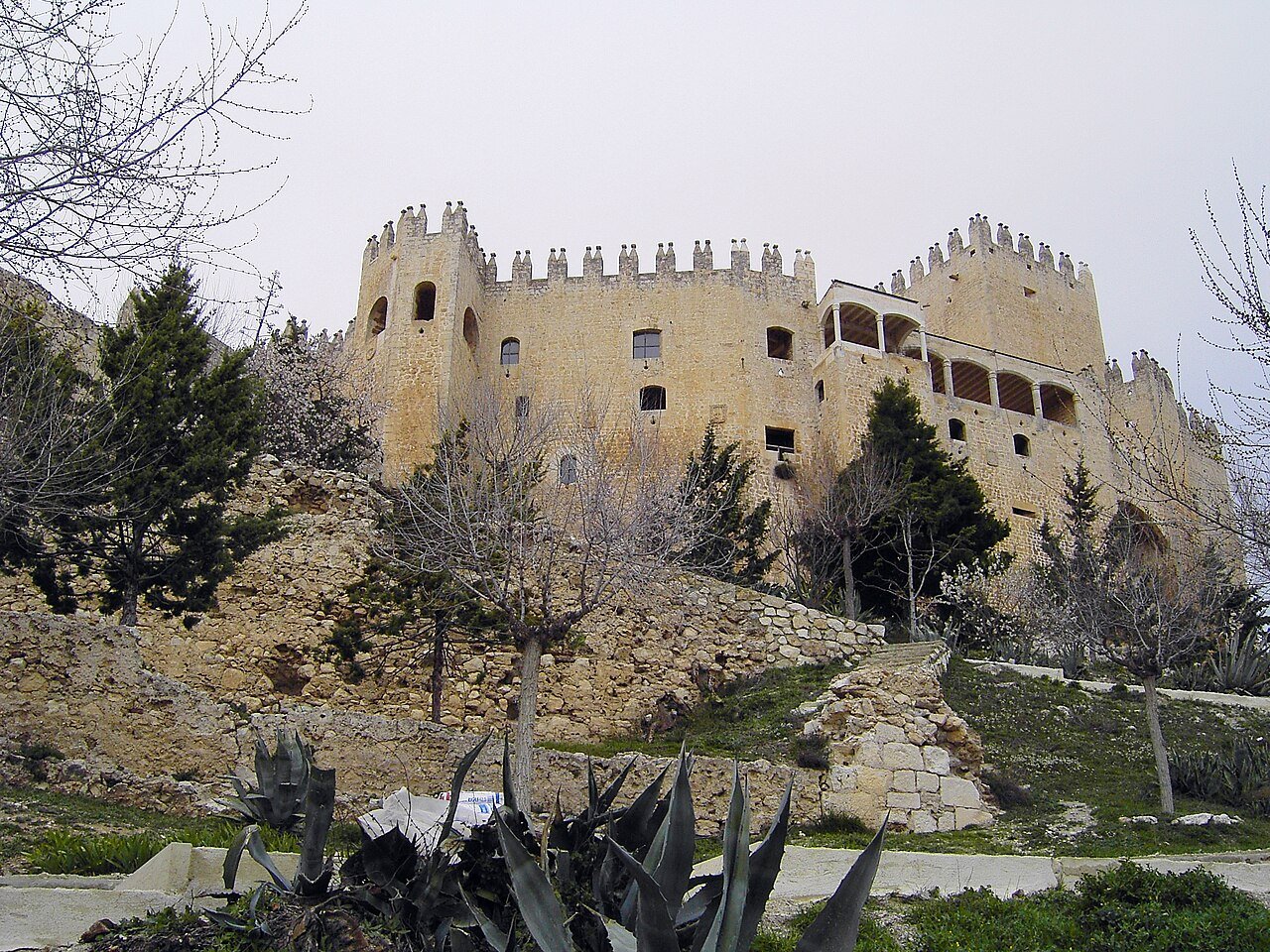
Sixteenth-century Renaissance fortress of the Fajardo family, whose marble courtyard is now displayed at the Metropolitan Museum in New York.
Almería
Nature area with over a thousand caves carved into gypsum, one of the world's most important gypsum karsts, explored with helmet and torch.
Cádiz
Whitewashed hilltop town above the River Barbate, with medieval walls, gateway arches and the well-known Plaza de los Pescaítos.
Cádiz
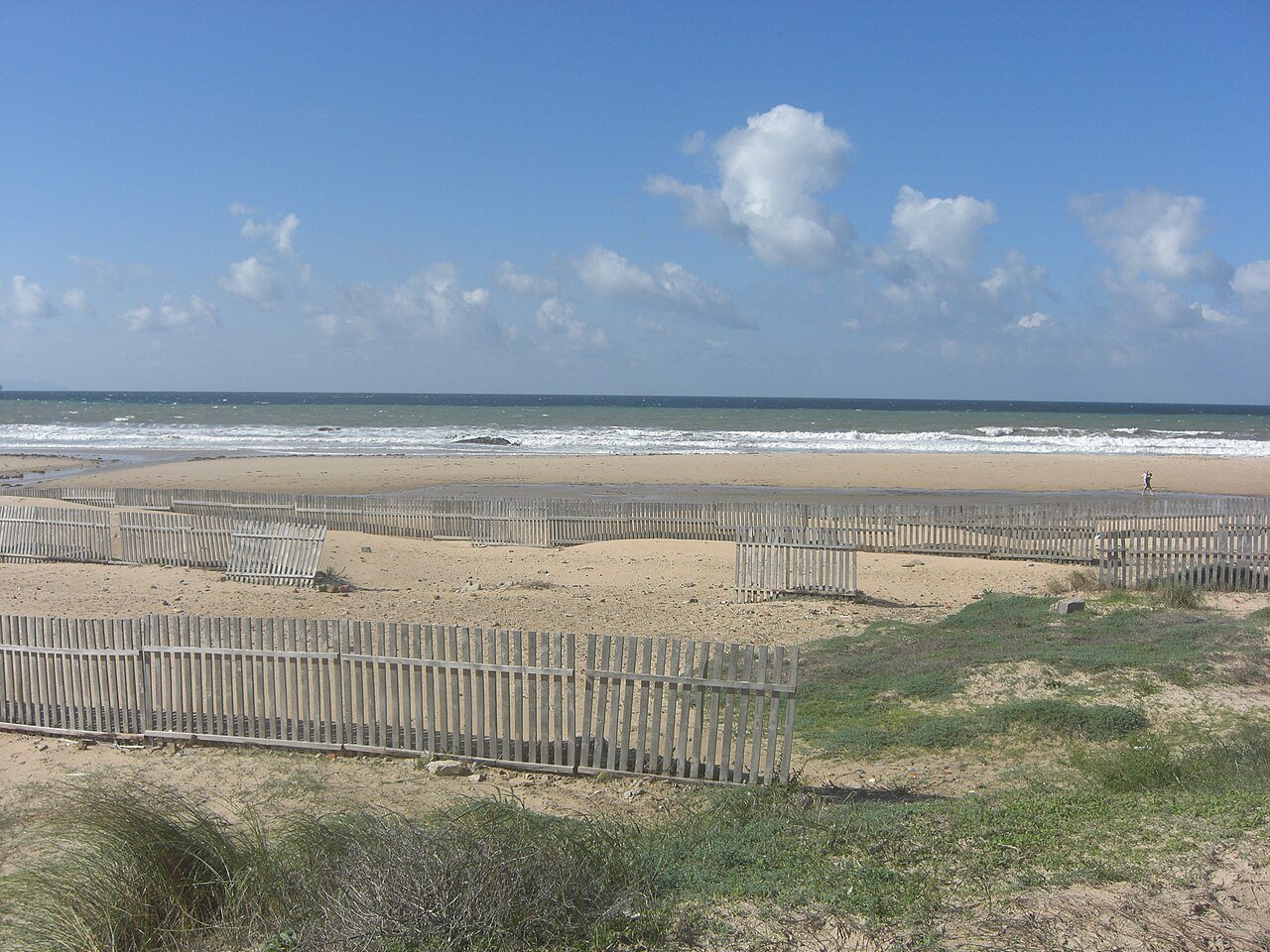
Long fine-sand beach beside Tarifa, a European mecca for kitesurfing thanks to the easterly wind, with views across to Morocco.
Córdoba
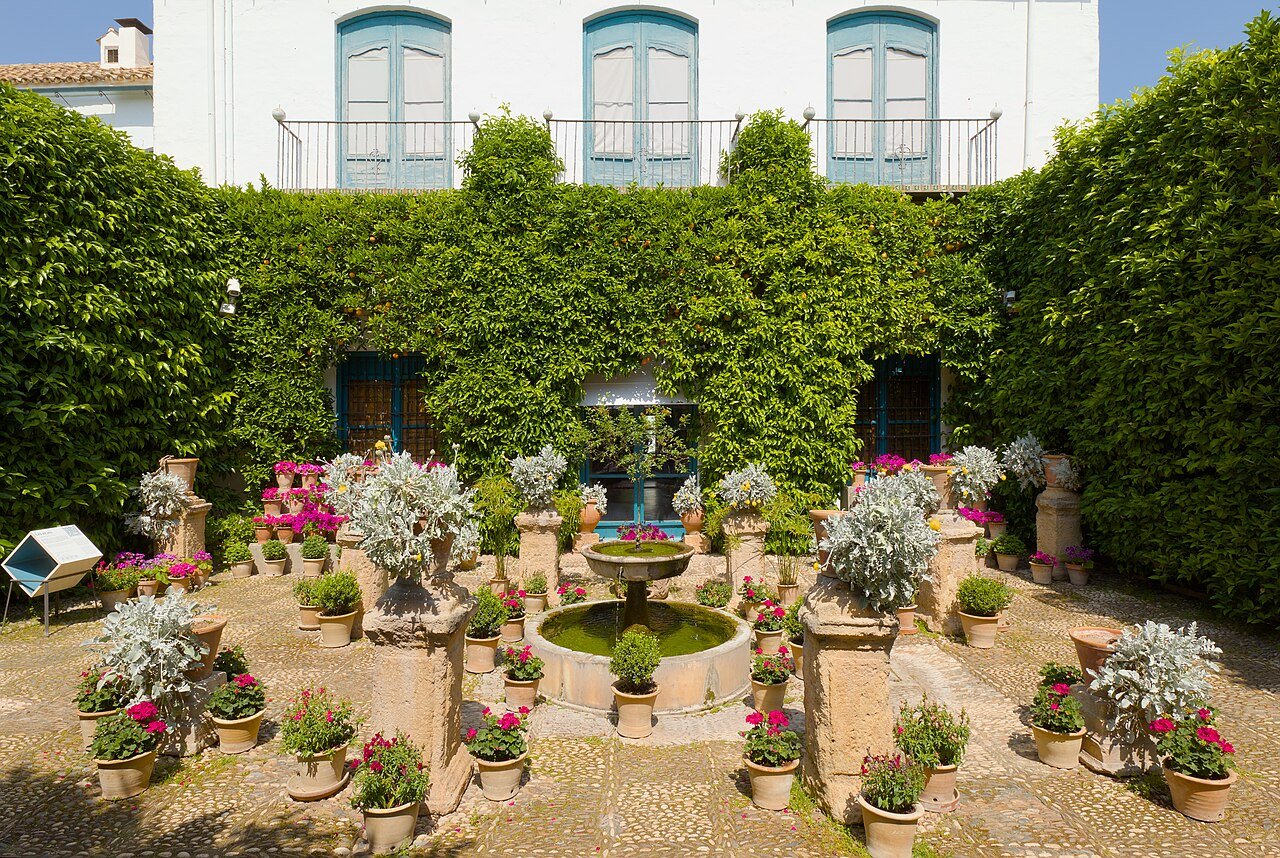
Stately Córdoba mansion with twelve patios and a garden, known as the museum of patios for its fountains, flowerpots and orange trees.
Córdoba
Whitewashed Subbética village crowned by a castle on the rock, close to the Cueva de los Murciélagos and famous for its goat's cheese.
Granada
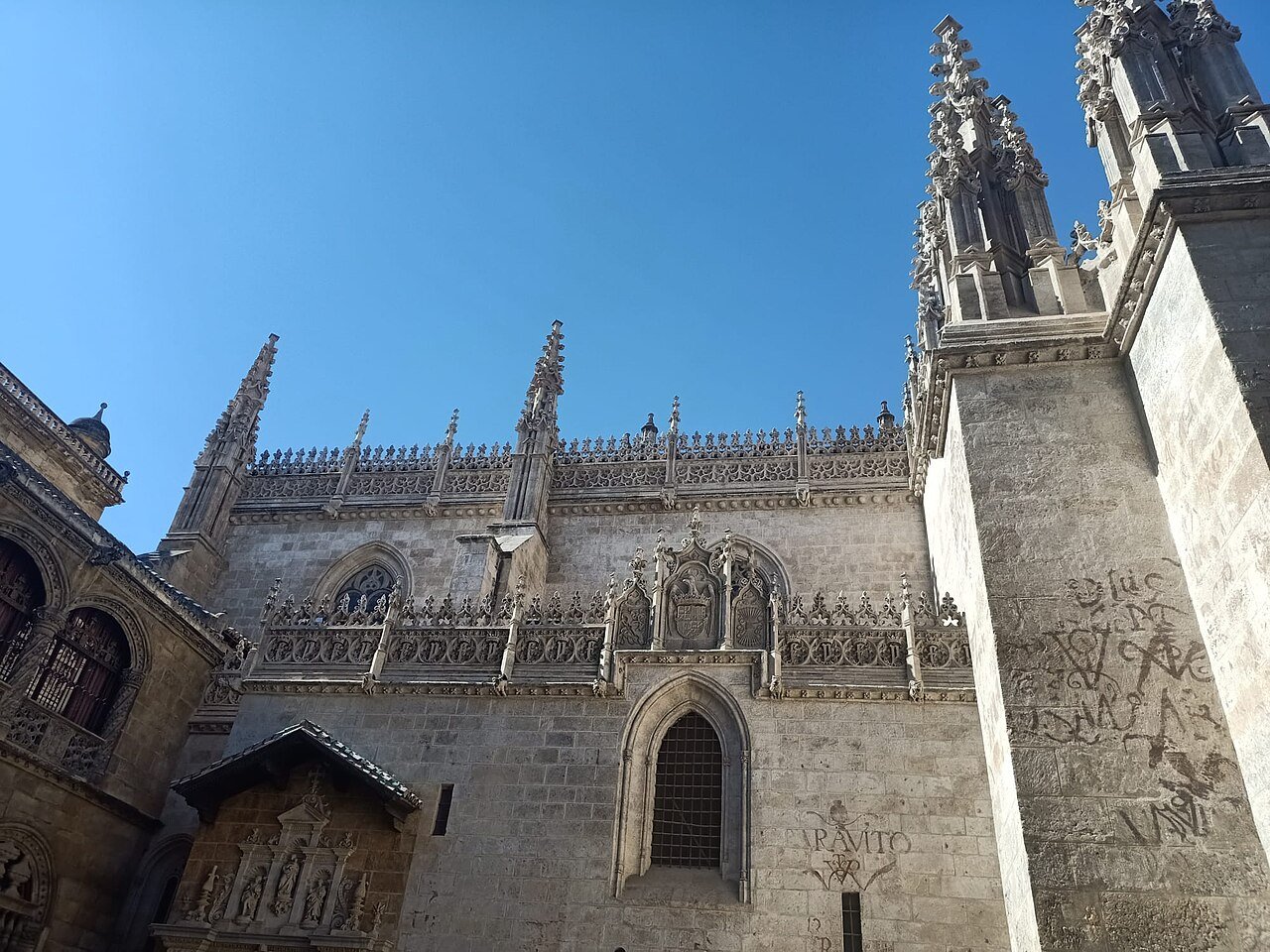
Spain's first Renaissance cathedral, beside the Gothic Royal Chapel where the Catholic Monarchs Isabella and Ferdinand are buried.
Granada
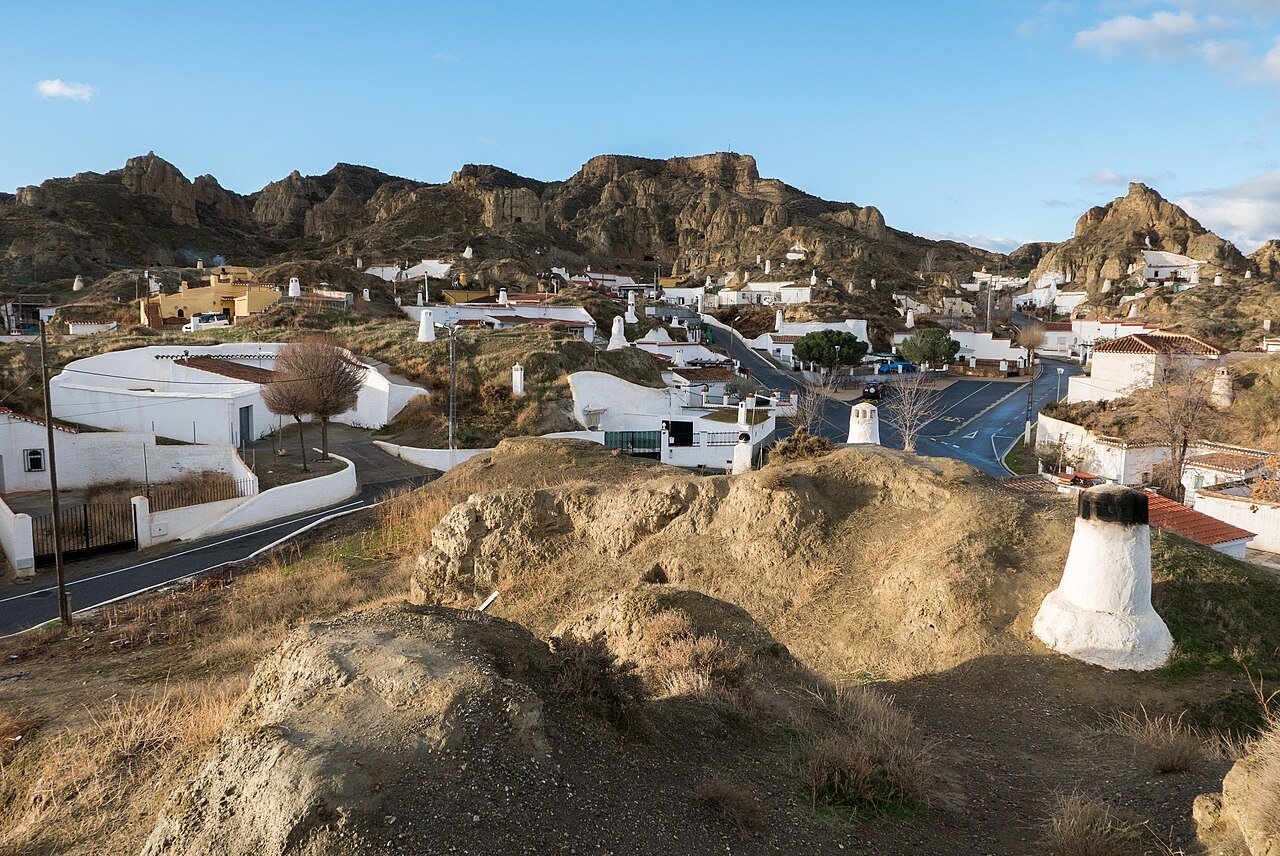
Ancient town with Europe's largest quarter of cave houses, their white chimneys rising among clay badlands, plus a Baroque cathedral.
Huelva
Small tenth-century rural mosque high in the Sierra de Aracena, one of the best preserved in Spain, set beside a bullring.
Huelva
Village of sandy streets and brotherhood houses beside the marshes, home to the shrine of the Virgen del Rocío and its huge pilgrimage.
Jaén
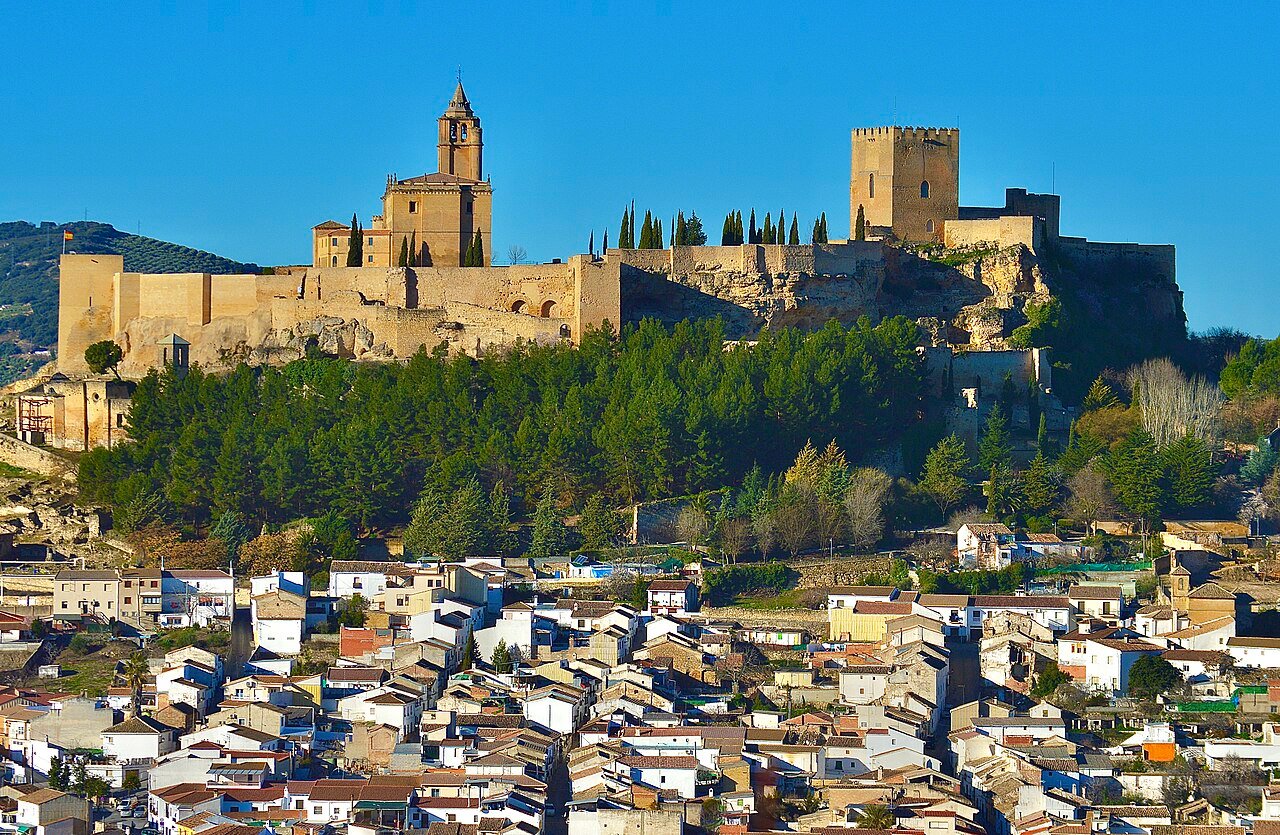
Walled Nasrid-era fortress above Alcalá la Real, with a citadel, towers and abbey church, a key stronghold on the Granada frontier.
Jaén
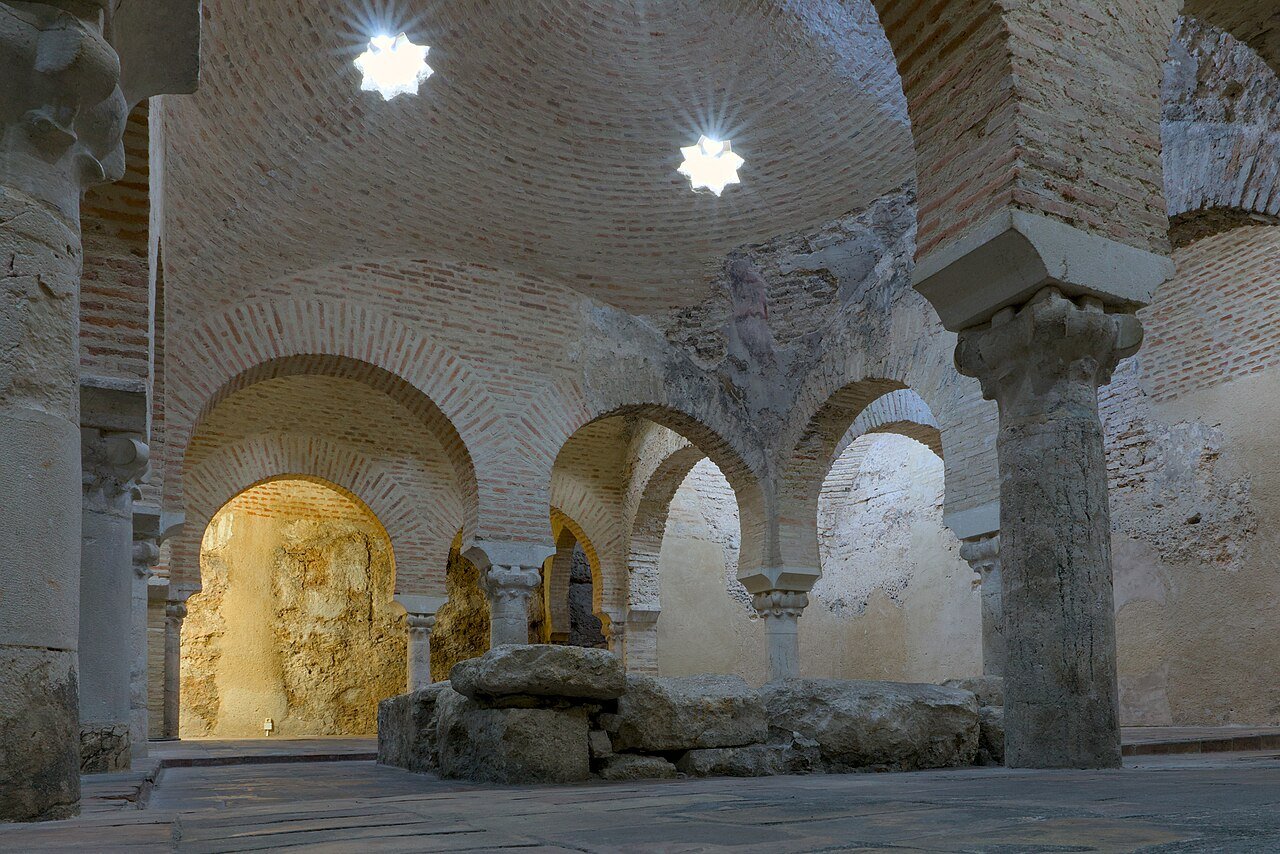
Eleventh-century baths beneath the Palacio de Villardompardo, among the largest surviving in Spain, with vaulted rooms and star-shaped skylights.
Málaga
Cave discovered in 1959 with vast halls of stalactites and prehistoric paintings, which hosts a music festival every summer.
Málaga
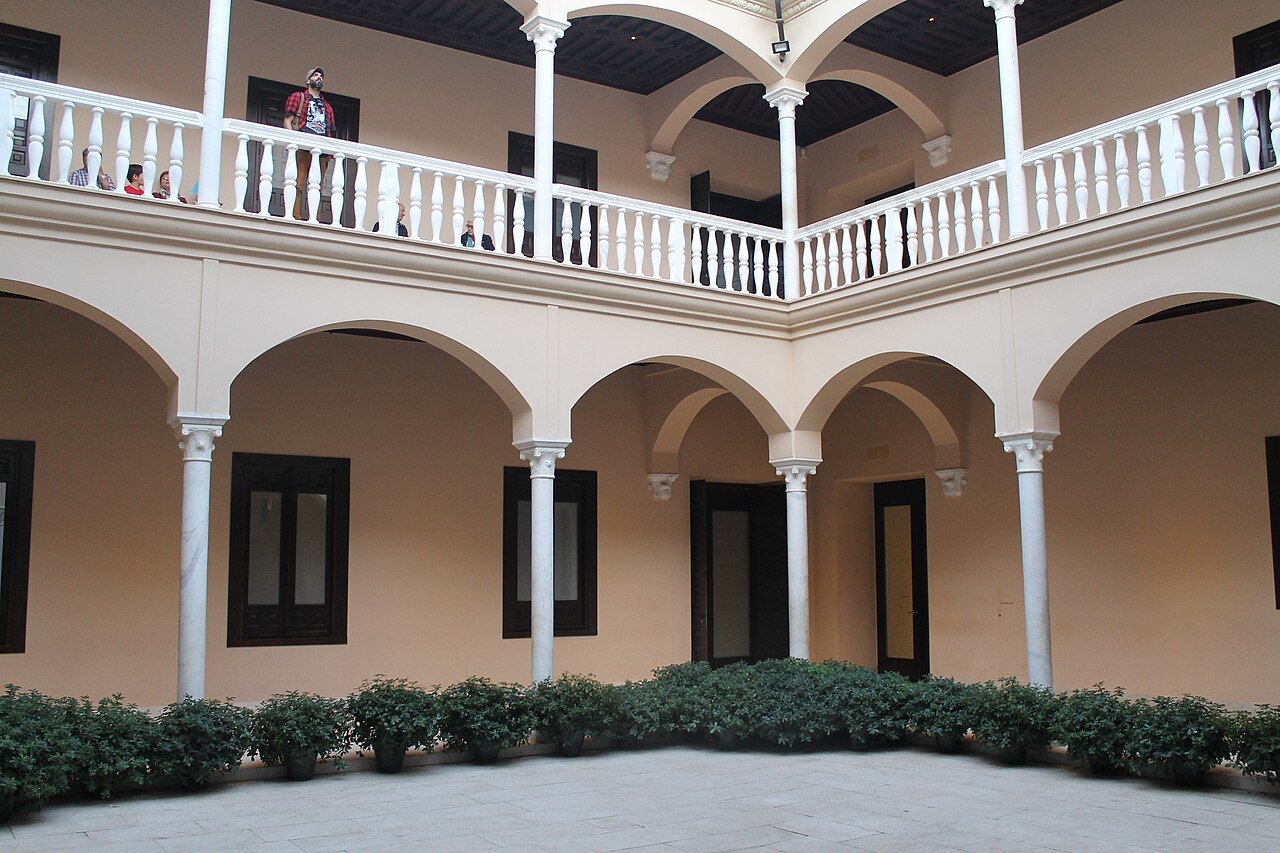
Museum in the Palacio de Buenavista, in Picasso's home city, with over 200 works donated by his family spanning his whole career.
Sevilla
Huge timber structure from 2011 in the Plaza de la Encarnación, with a rooftop walkway and Roman remains in the basement Antiquarium.
Sevilla
Town on a ridge with city walls, the Puerta de Sevilla, a fortress turned parador and a Roman necropolis with over 600 tombs.
Andalusia is home to some of Spain's most visited monuments, such as the Alhambra in Granada, the Mosque of Córdoba and the Royal Alcázar of Seville. Add white villages like Ronda or Setenil de las Bodegas, Doñana National Park and hundreds of kilometres of beaches on the Atlantic and the Mediterranean.
If you only have a few days, focus on Seville, Córdoba and Granada: the Royal Alcázar and the Giralda, the Mosque and the Alhambra can be seen in three or four days, with fast trains between the three cities.
Spring and autumn, with mild temperatures and fewer crowds. In July and August inland areas easily go above 40 ºC, so in summer the coast or Sierra Nevada are more appealing.
Ronda, Setenil de las Bodegas, Arcos de la Frontera, Mojácar, Priego de Córdoba, Úbeda and Baeza or the villages of Las Alpujarras are among the prettiest.