Burgos Cathedral
Burgos
No ratings yet
A Gothic masterpiece and World Heritage Site, remarkable for its majestic architecture and history.
These are the 50 places you cannot miss if you travel to Castilla y León. Save your favourites and open them in Google Maps to plan your route.
There are no places with those filters.
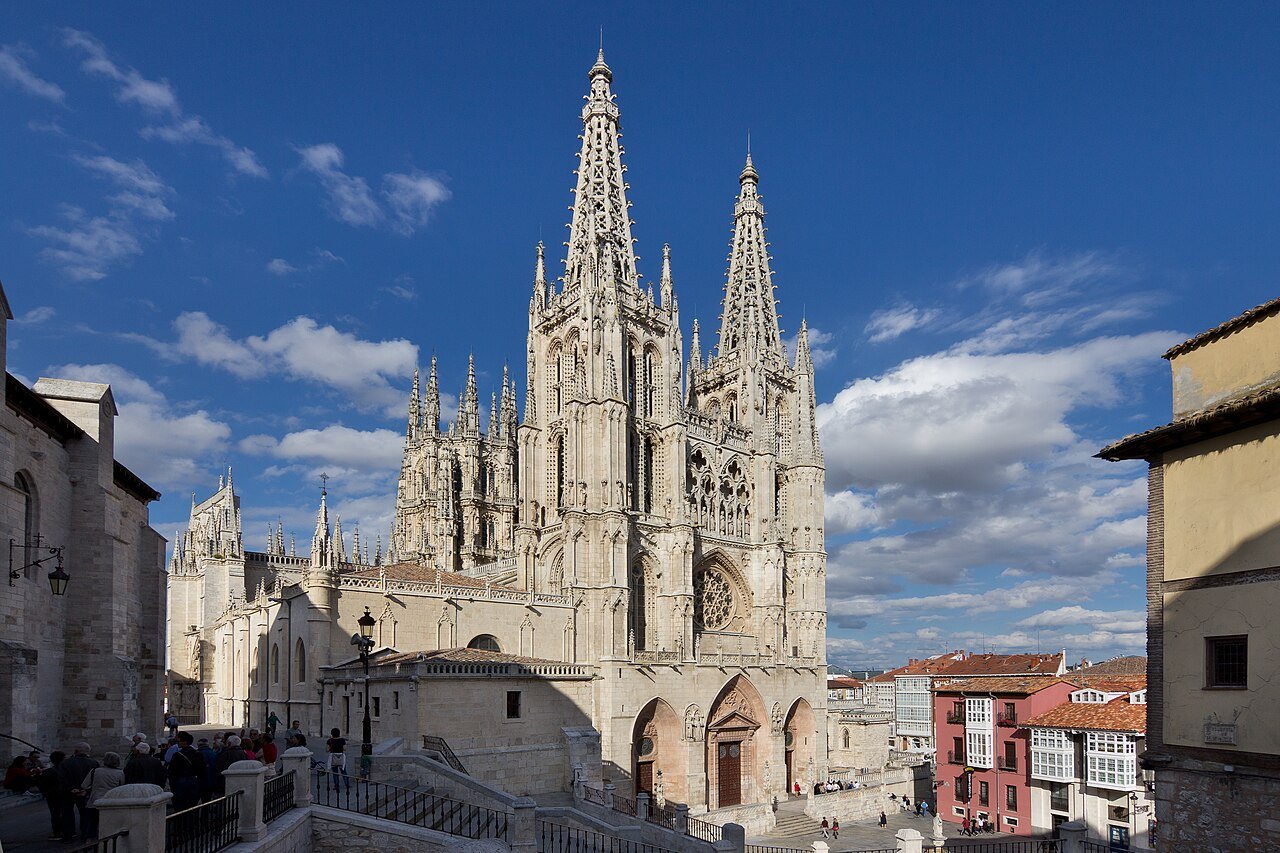
Burgos
A Gothic masterpiece and World Heritage Site, remarkable for its majestic architecture and history.
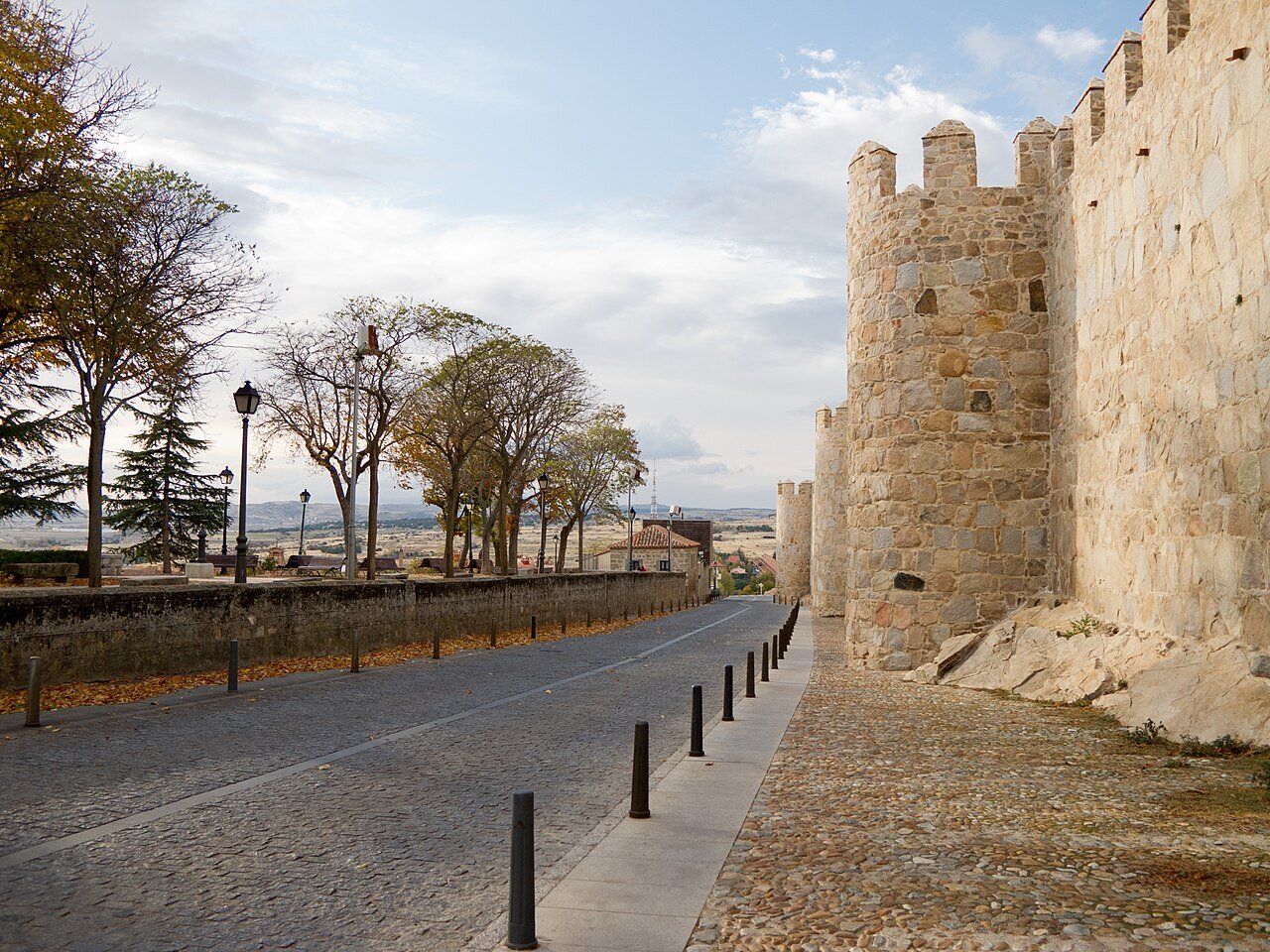
Ávila
One of the best-preserved medieval walls in Europe, completely surrounding the city's old town.
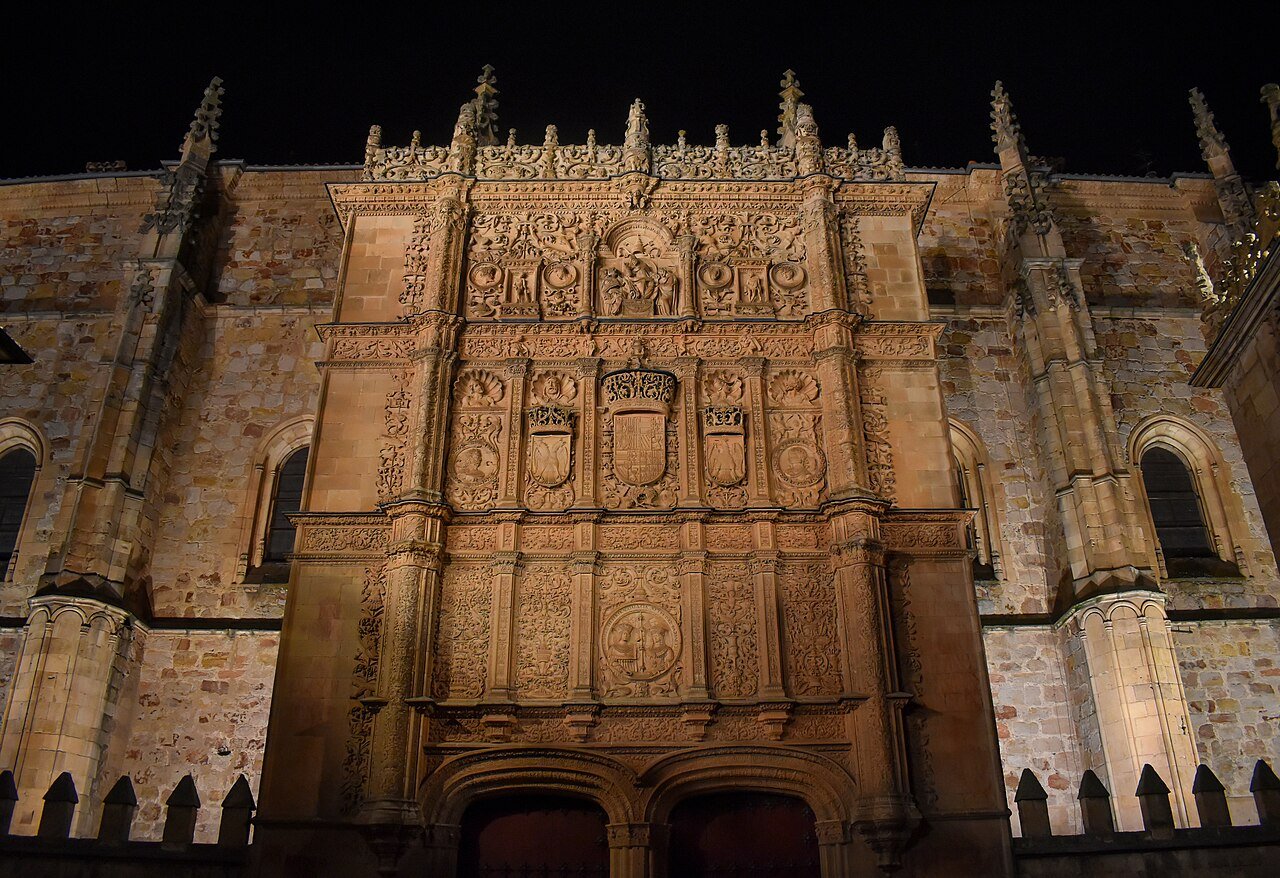
Salamanca
Founded in 1218, it is one of the oldest universities in Europe and a symbol of learning in Spain.
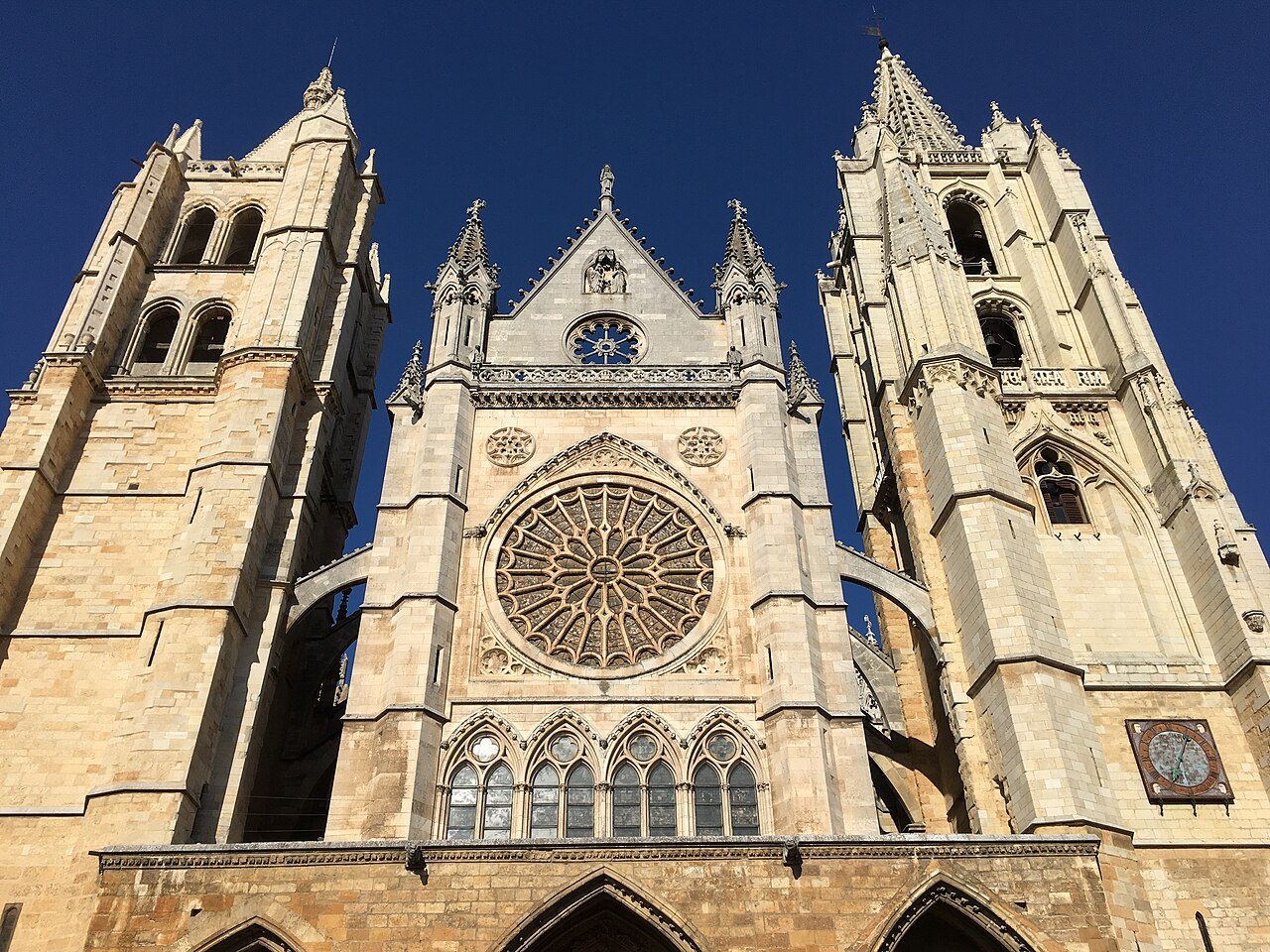
León
Famous for its Gothic stained-glass windows, it is one of the most beautiful and luminous cathedrals in Europe.
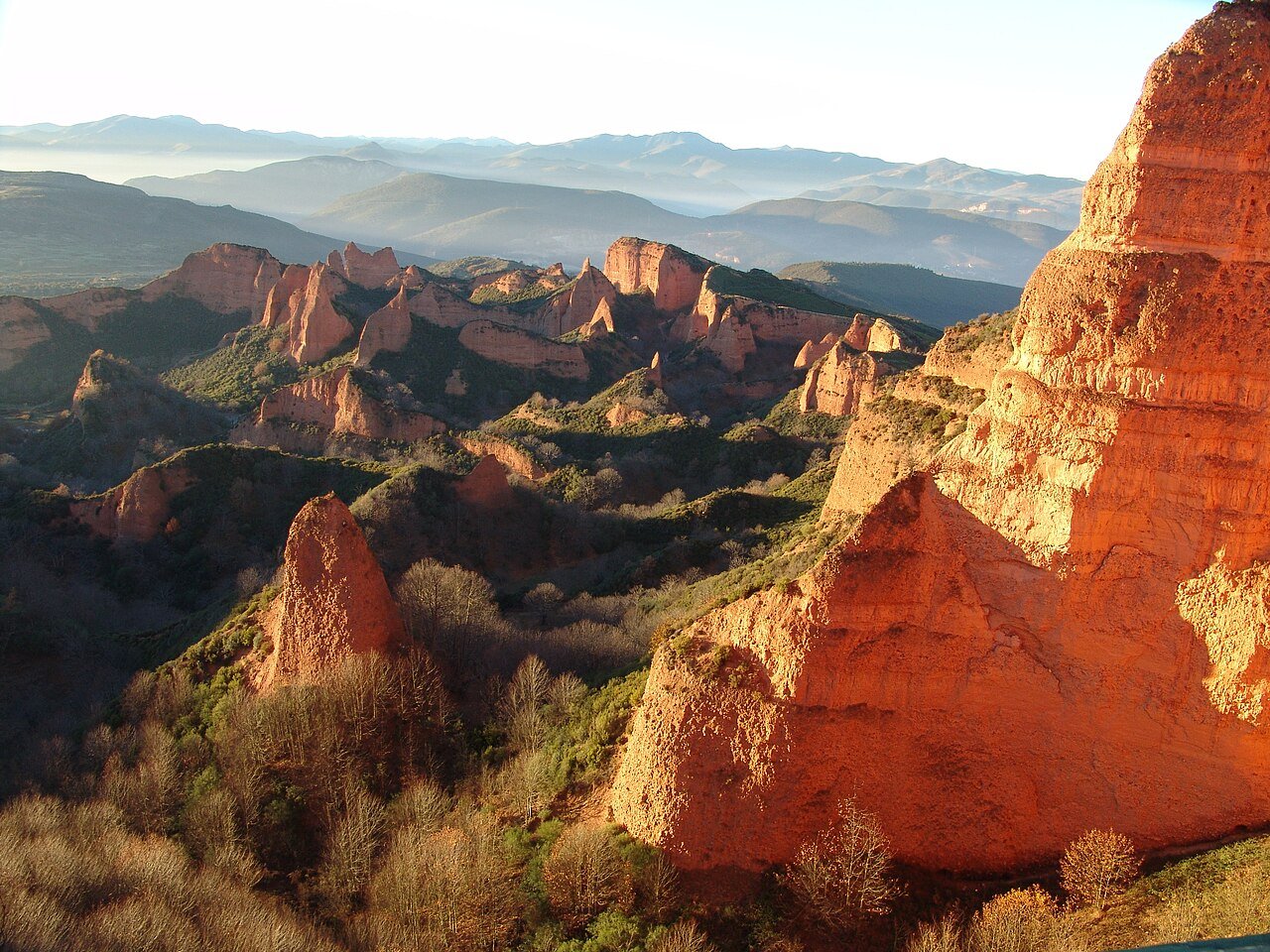
León
Ancient Roman gold mines surrounded by a spectacular reddish landscape. Also a World Heritage Site.
León
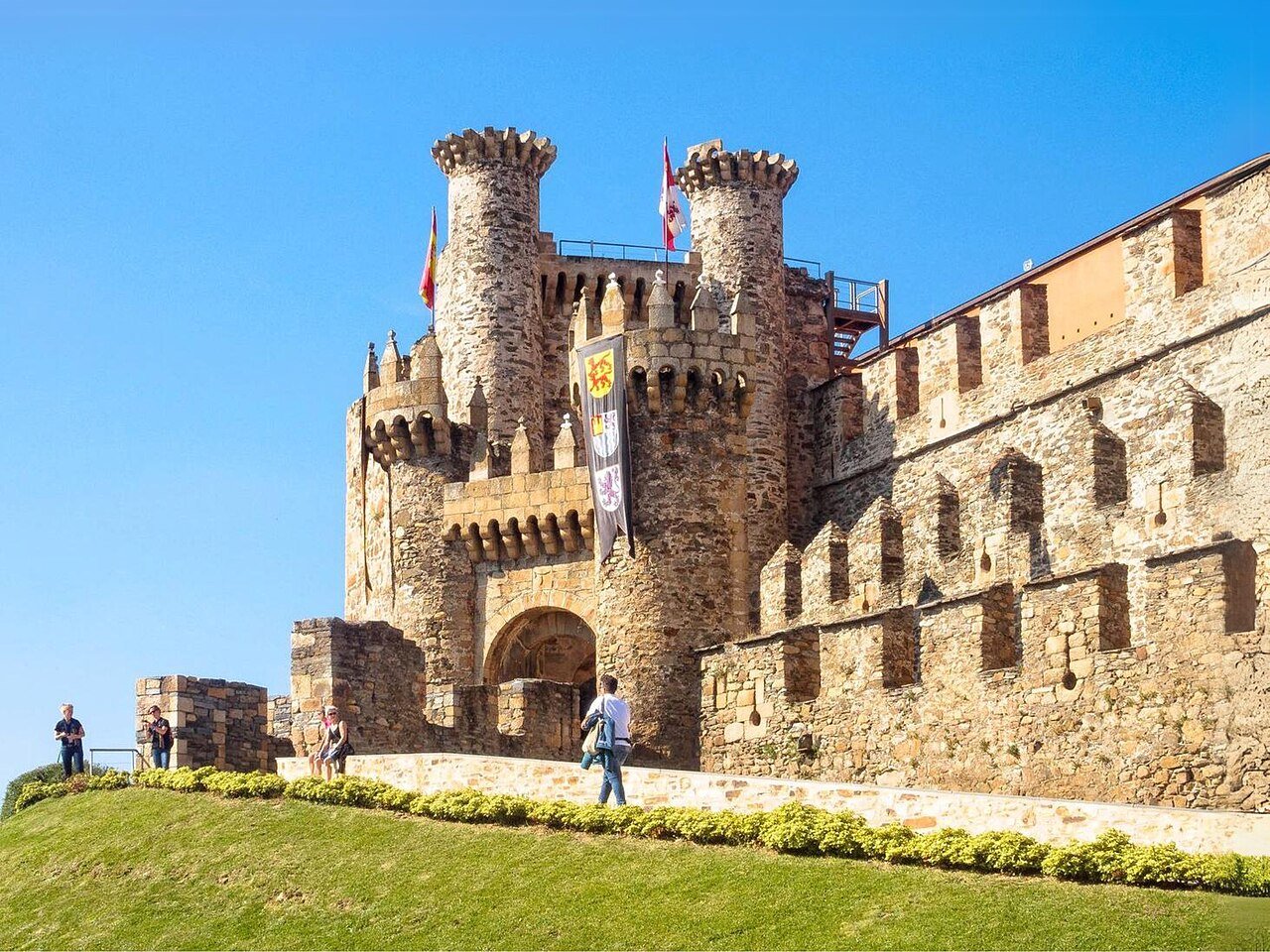
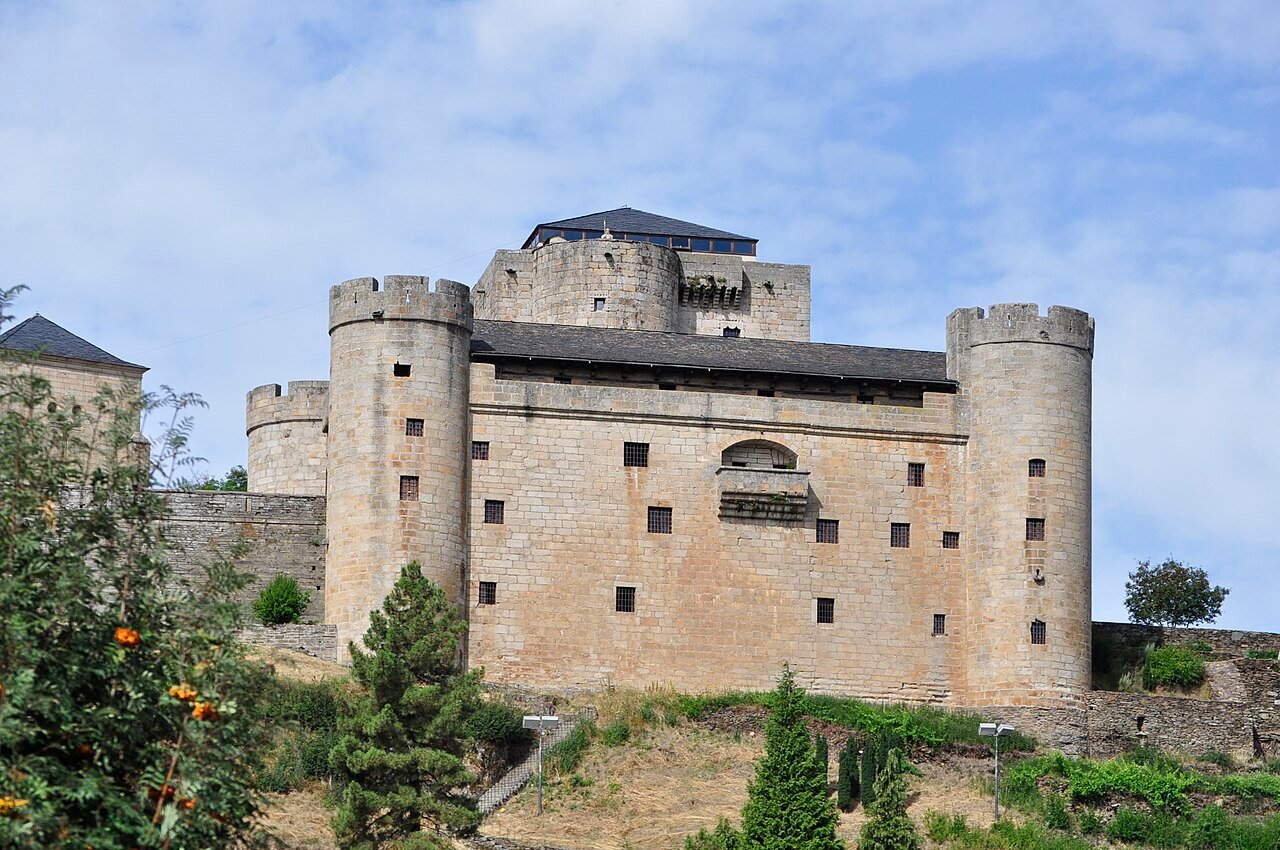
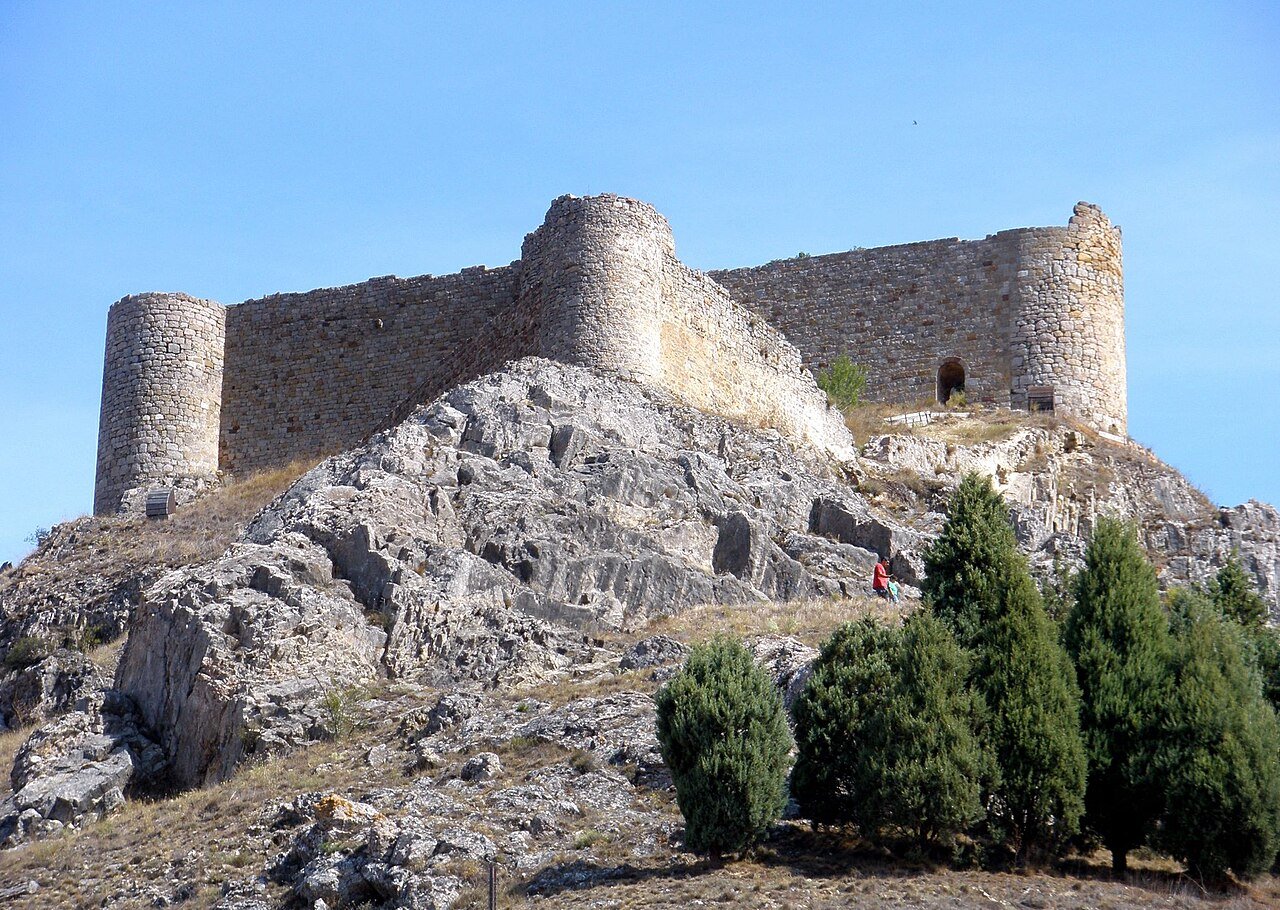
An imposing Templar fortress overlooking Ponferrada, with medieval history, passageways and spectacular views of El Bierzo.
Segovia
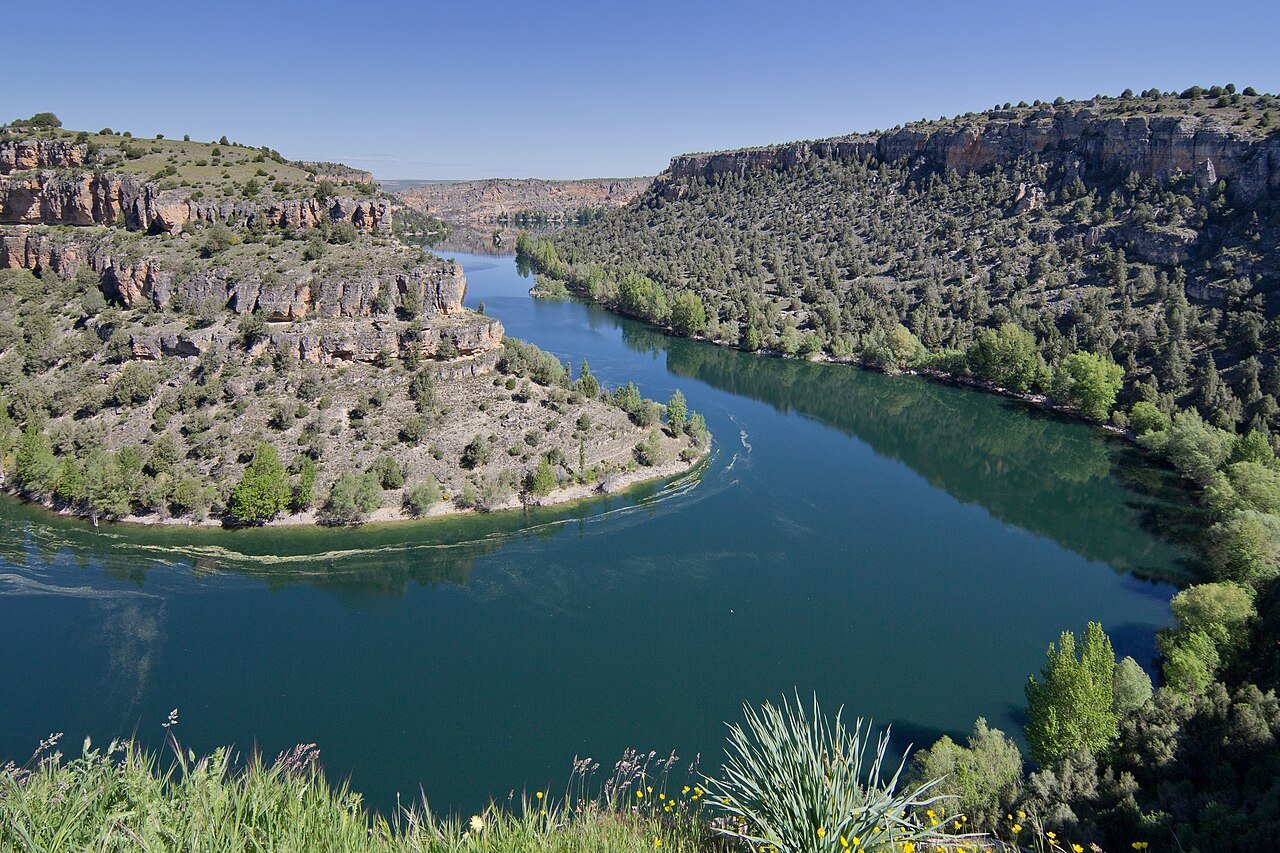
An impressive natural canyon in the province of Segovia, ideal for hiking, kayaking and watching griffon vultures.
Burgos
Famous for its stunning Romanesque cloister and the Gregorian chant of its monks, it is one of the most iconic monasteries in Spain.
Zamora
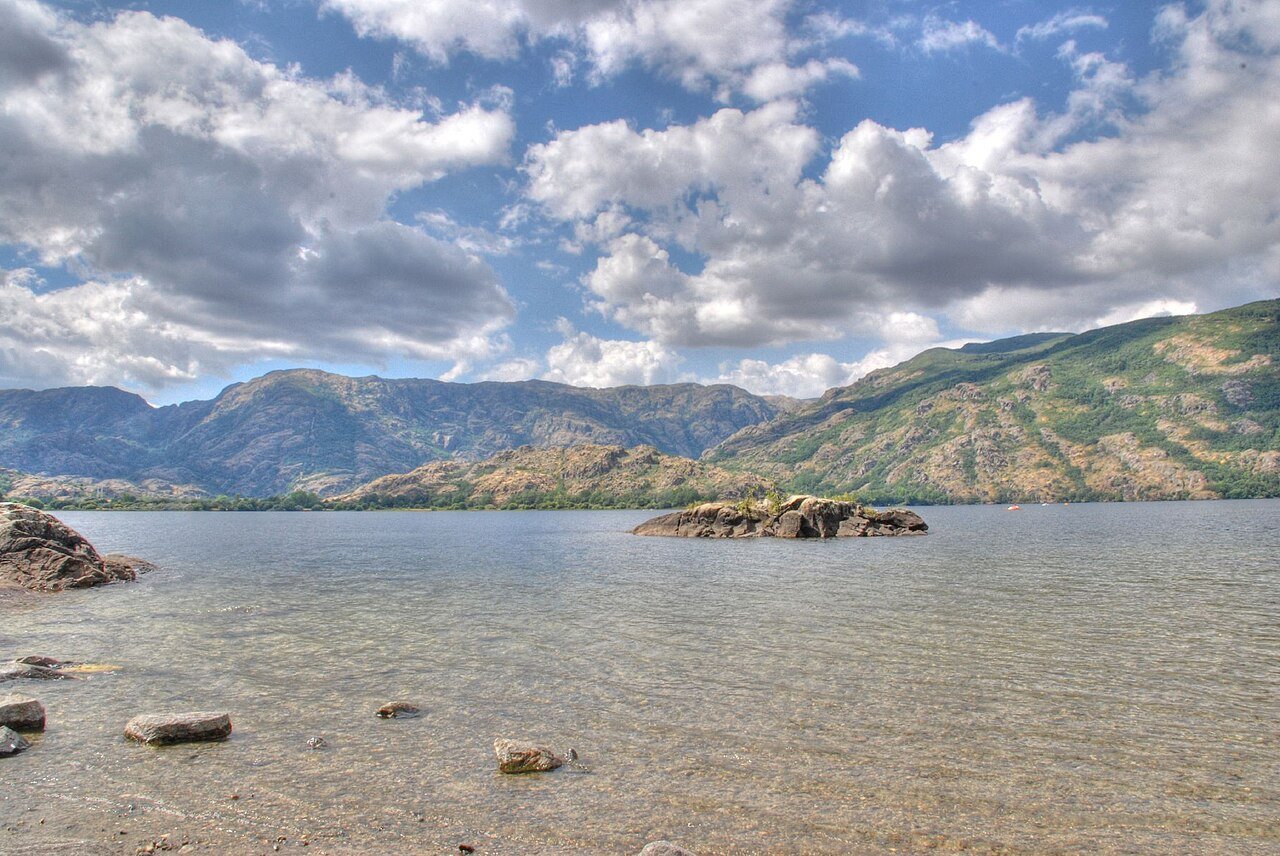
The largest glacial lake in the Iberian Peninsula, surrounded by nature, hiking trails and charming villages.
Segovia
A Roman aqueduct over 800 metres long built without mortar, the symbol of Segovia and a World Heritage Site.
Segovia
A castle on a crag between two rivers, with a fairy-tale silhouette, once a residence of the kings of Castile.
Salamanca
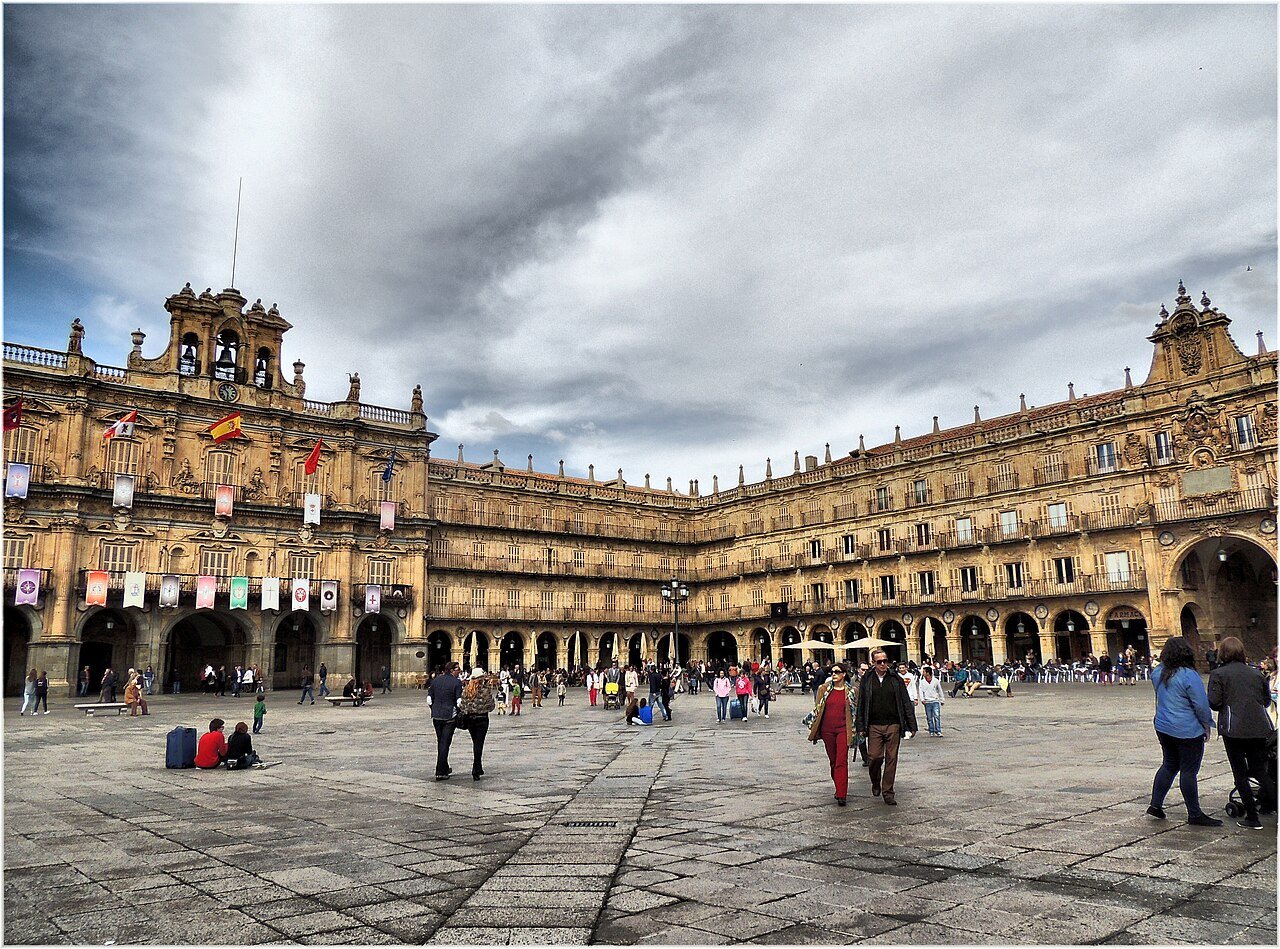
One of the most beautiful Baroque squares in Spain, built of golden Villamayor stone and the heart of Salamanca life day and night.
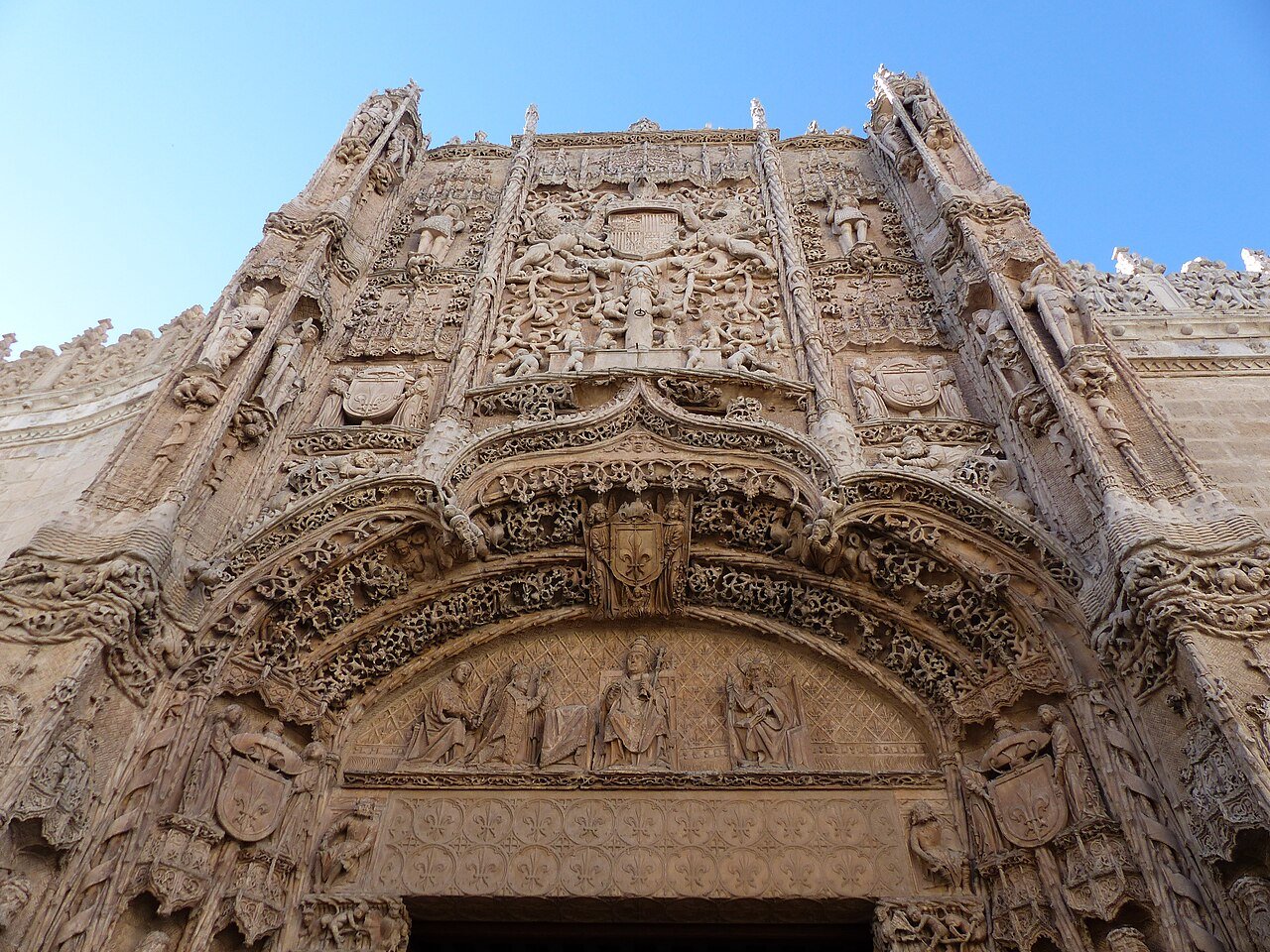
Valladolid
A great collection of polychrome sculpture housed in the Colegio de San Gregorio, with a spectacular Isabelline façade.
Soria
A natural park between Soria and Burgos with limestone walls, griffon vultures and the mysterious Templar hermitage of San Bartolomé.
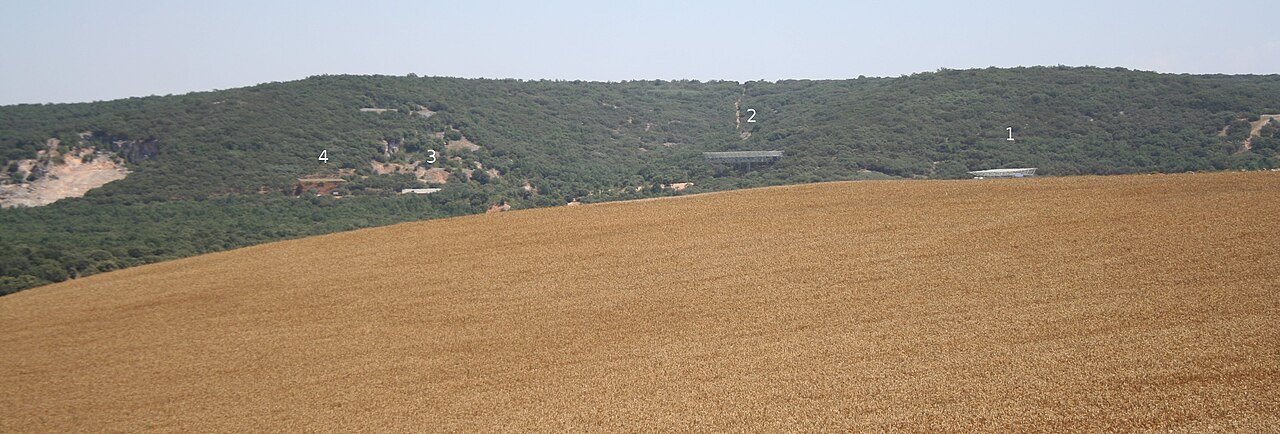
Burgos
A World Heritage Site near Burgos where some of the oldest human remains in Europe have been found.
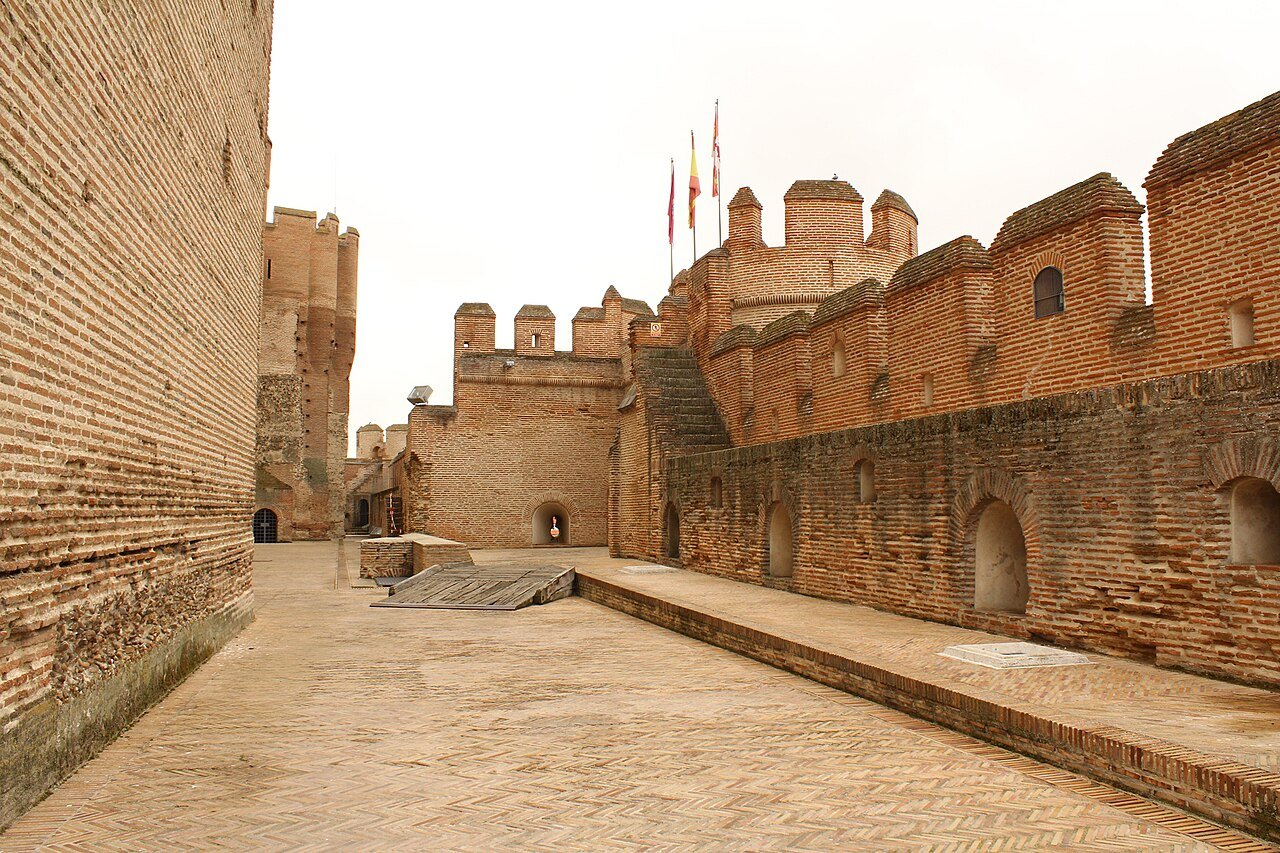
Valladolid
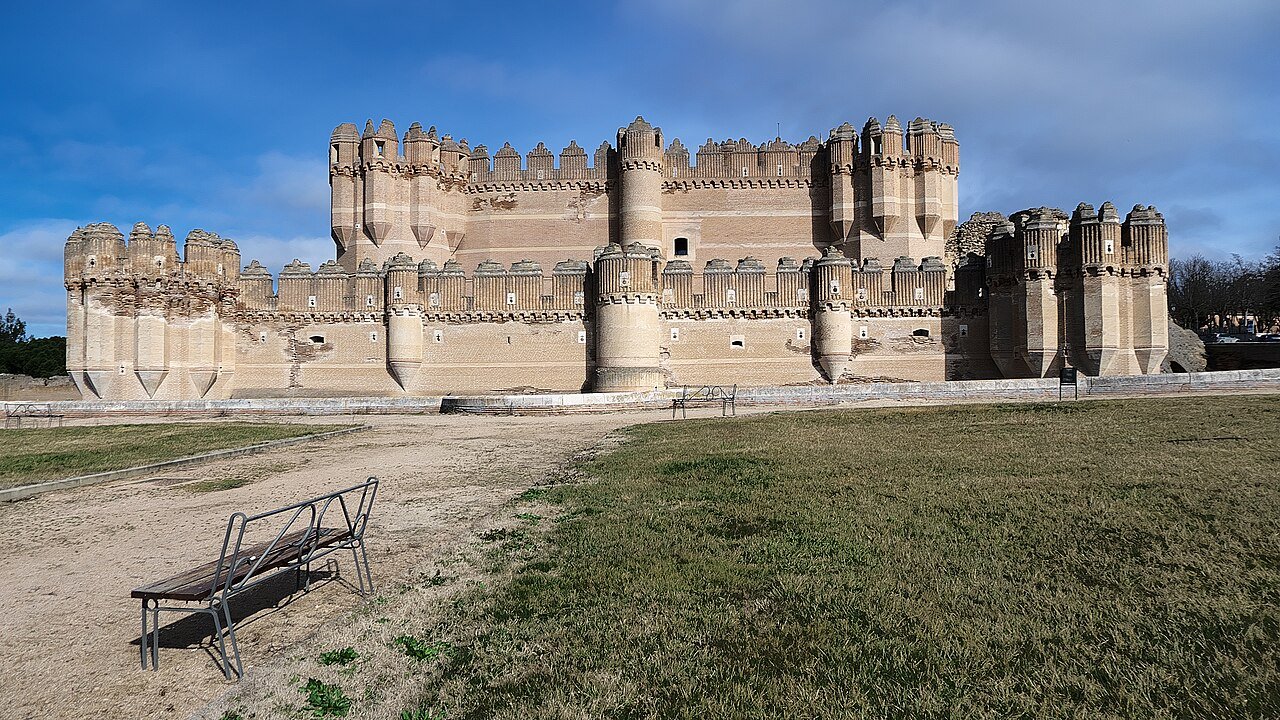
An imposing 15th-century brick fortress, one of the finest in Castile, linked to Queen Isabella I.
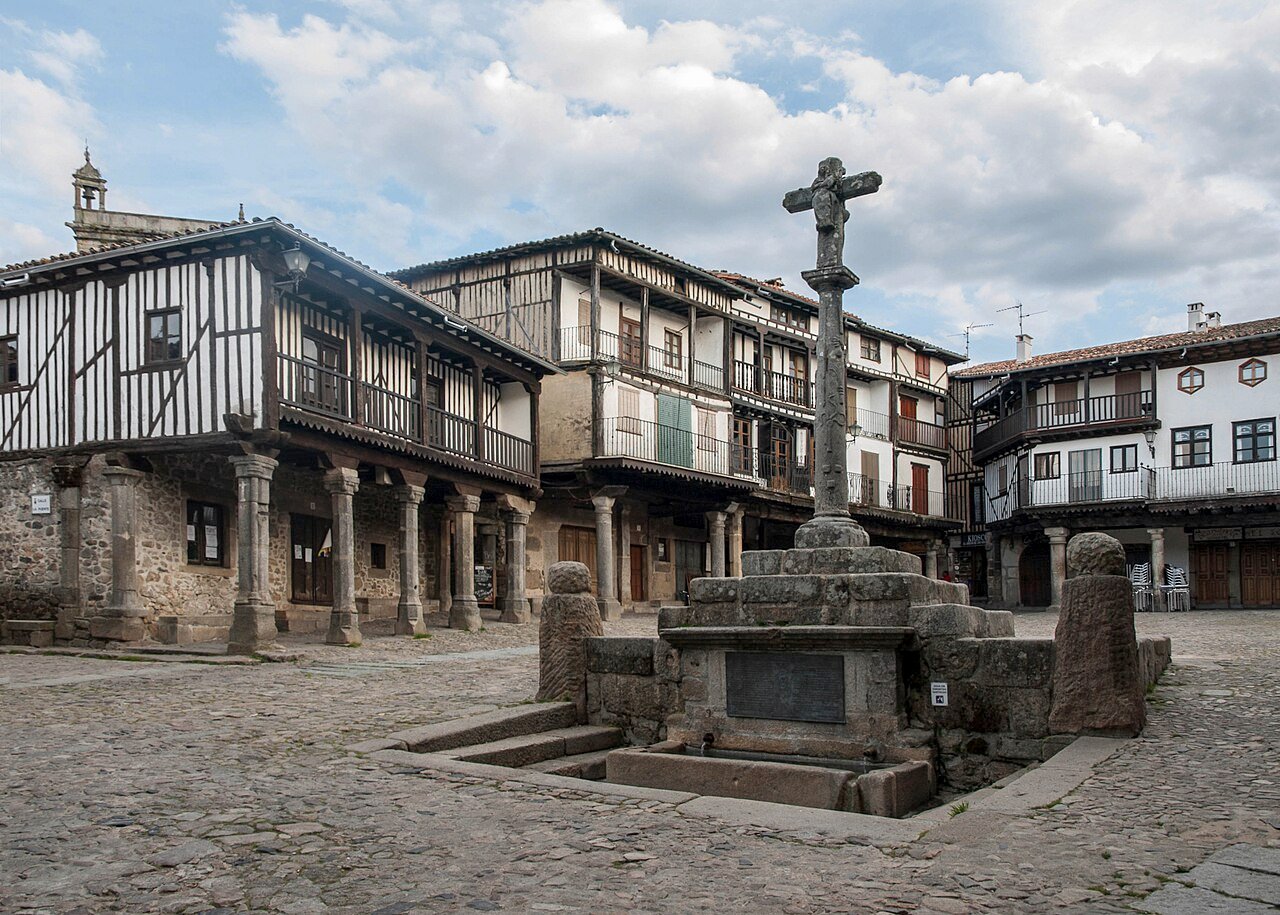
Salamanca
A mountain village in Salamanca with timber-framed stone houses, the first rural ensemble in Spain declared a historic site.
Segovia
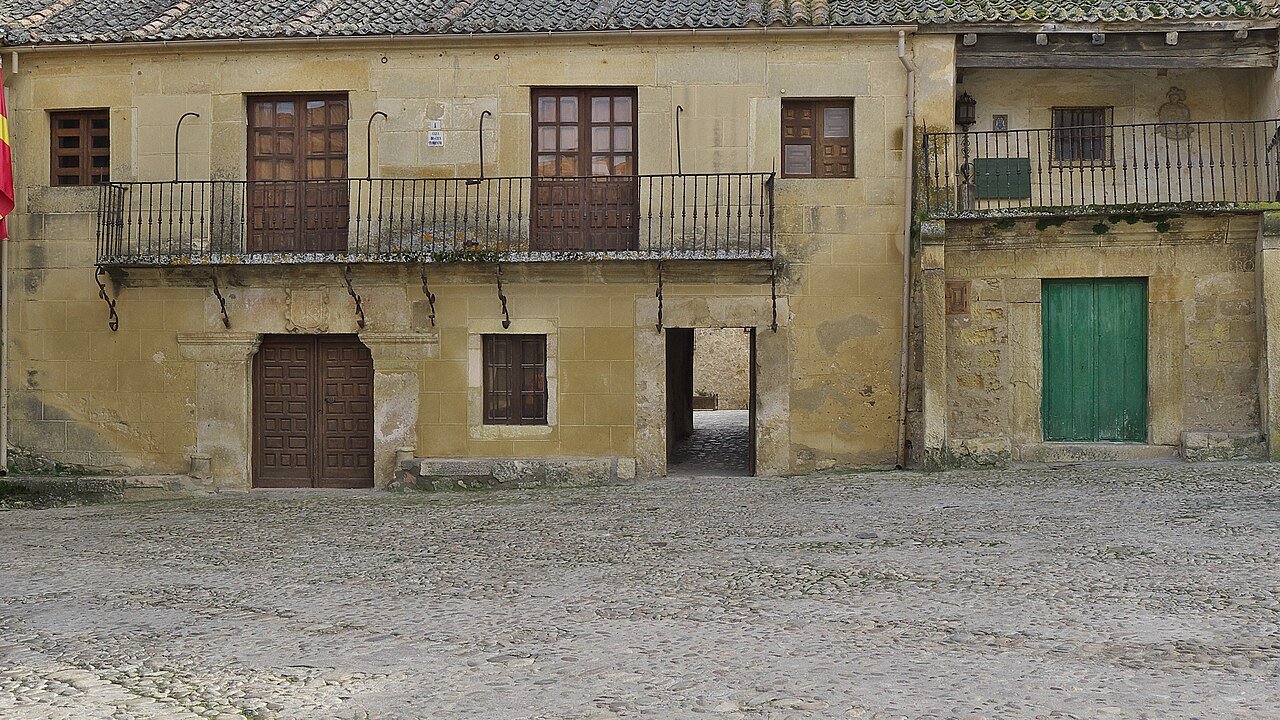
A walled medieval town in Segovia with a lovely arcaded square and a castle, famous for its candlelit nights.
Ávila
A mountain range with the Laguna Grande lake and Almanzor peak, the highest in the Central System, perfect for hiking.
Ávila
One of the great Romanesque churches in Spain, next to the walls of Ávila, with a unique carved portico.
Zamora
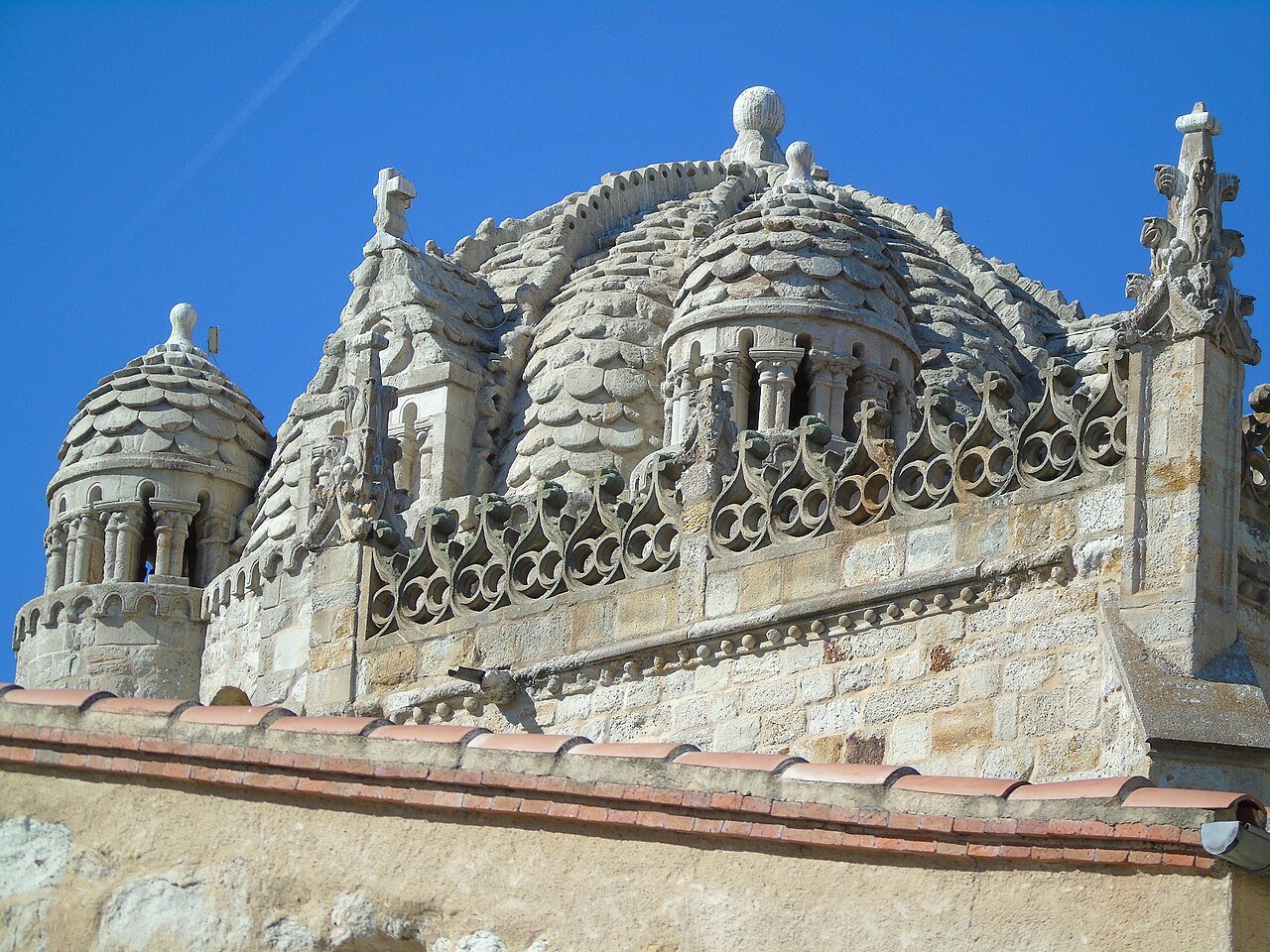
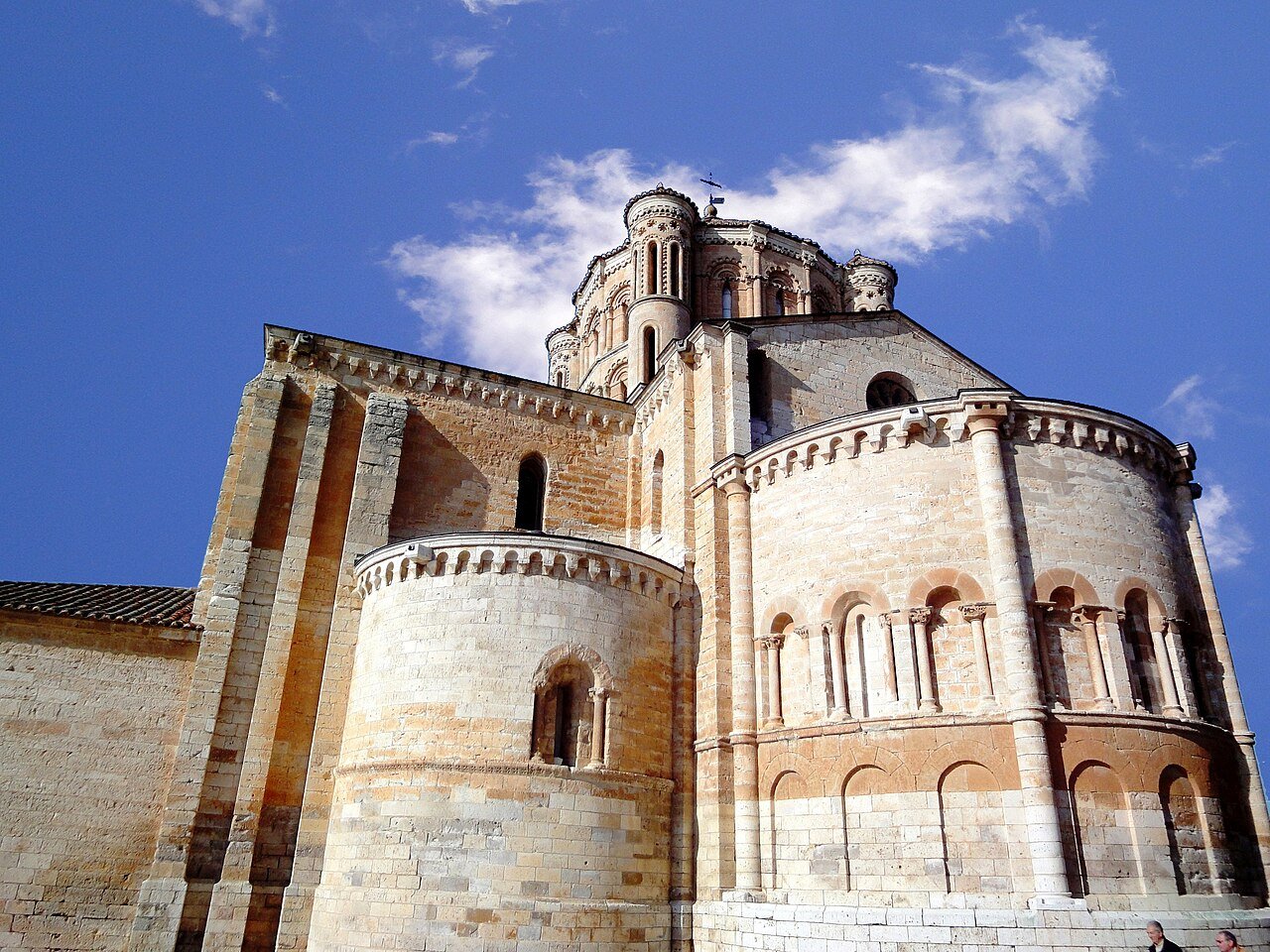
A 12th-century Romanesque cathedral with a Byzantine-style scaled dome, in the city with the most Romanesque art in Europe.
Zamora
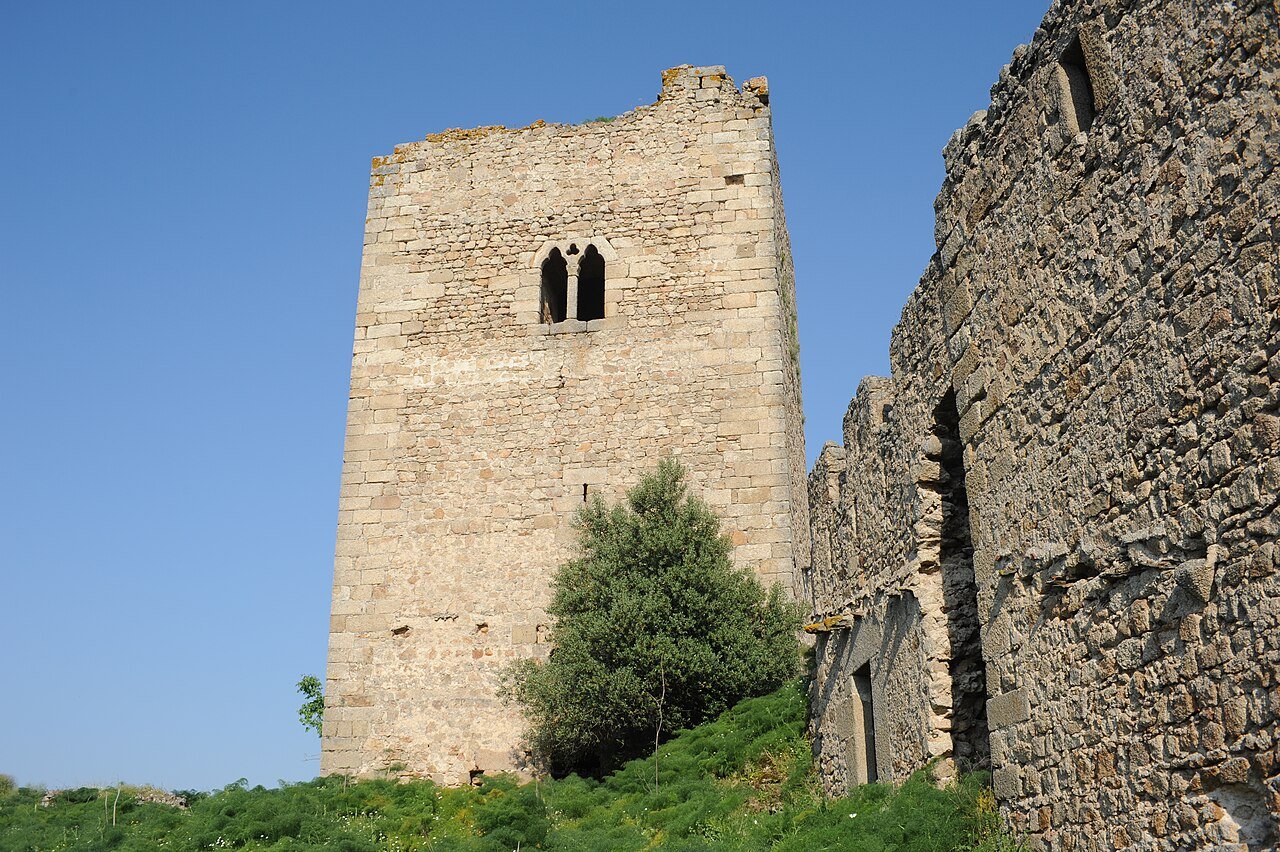
A medieval town on a hill near Lake Sanabria, with a castle, stone houses and slate roofs.
Valladolid
A castle shaped like a ship on a hill in the Ribera del Duero, with a wine museum inside.
Soria
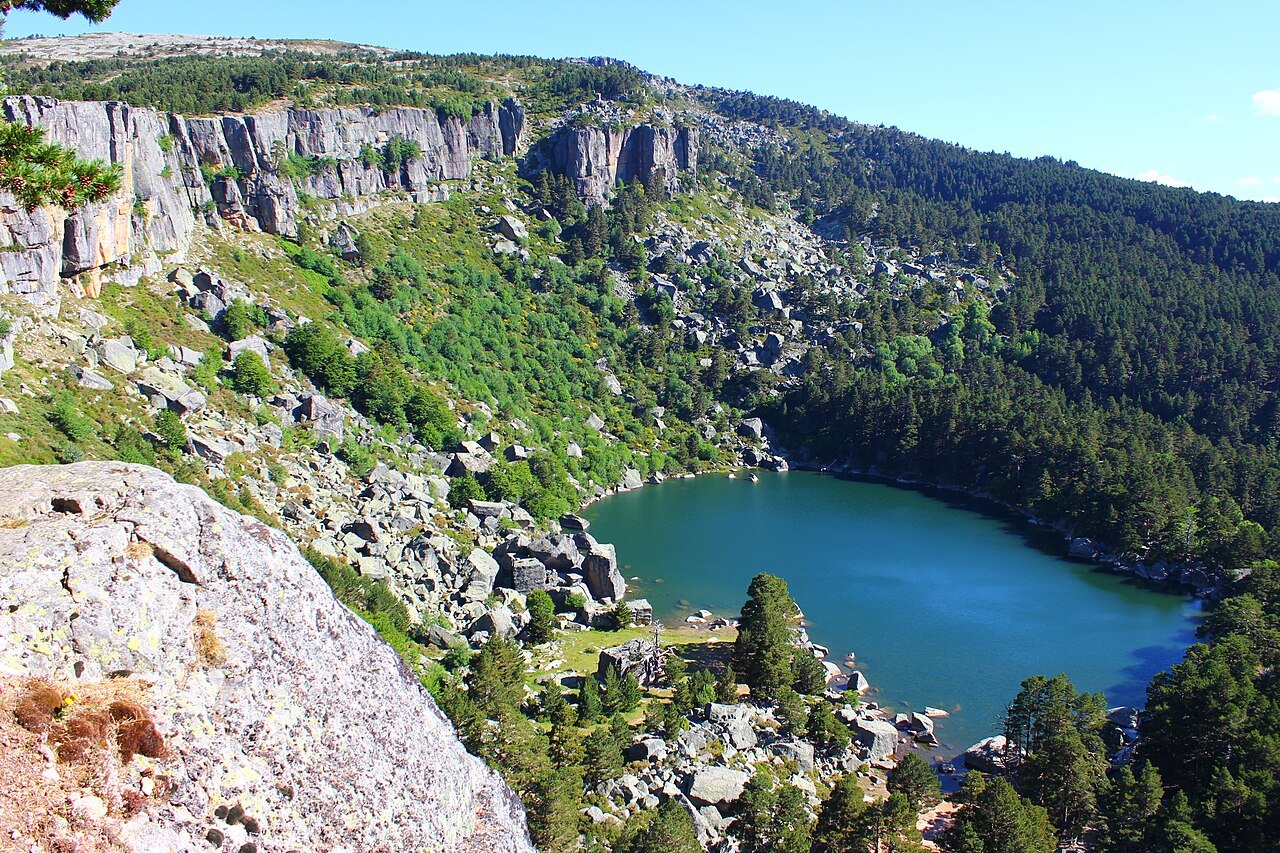
A glacial lake surrounded by pine forests and rock walls, linked to a legend by the poet Antonio Machado.
Soria
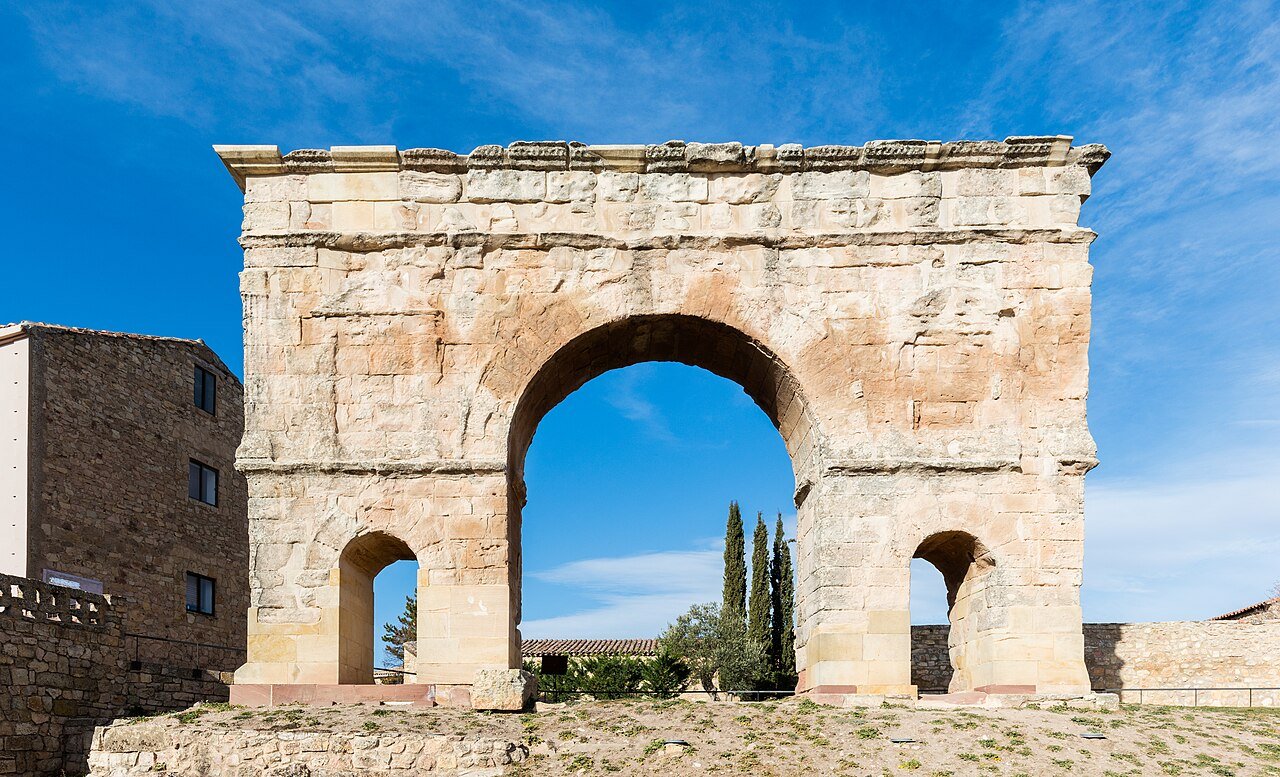
A hilltop town with the only three-arched Roman arch in Spain and cobbled medieval streets.
Palencia
An 11th-century church on the Way of St James, one of the purest examples of European Romanesque.
Palencia
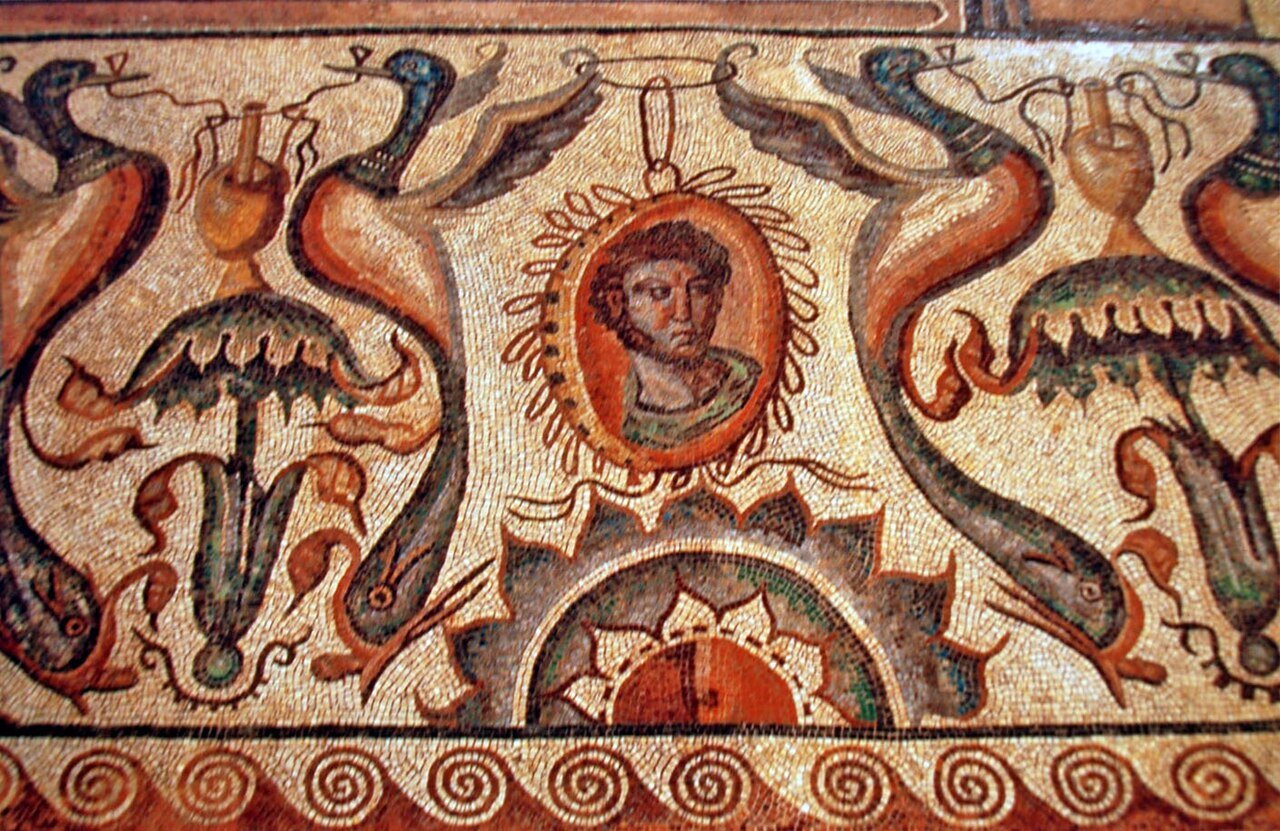
A 4th-century Roman villa with spectacular hunting and mythological mosaics, among the best preserved in Europe.
Palencia
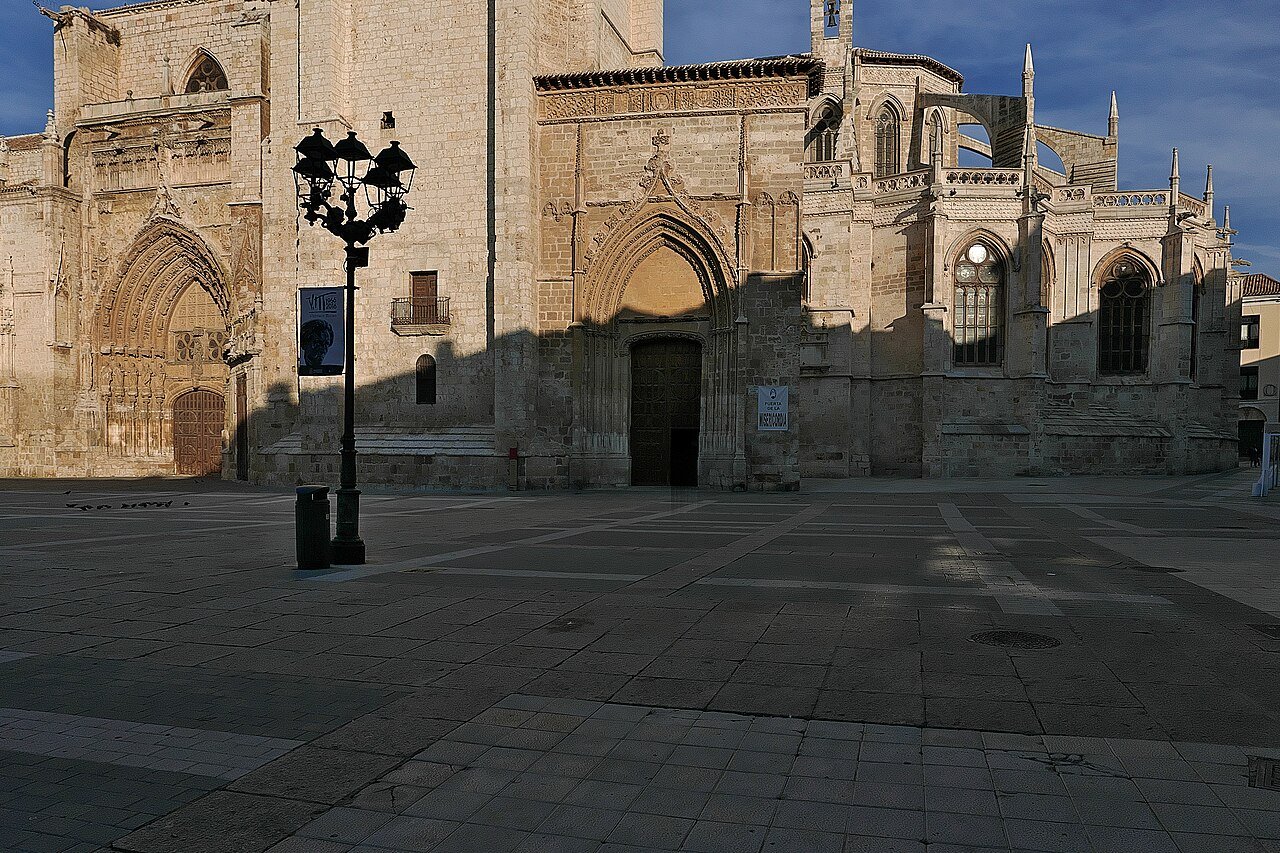
Known as the "Unknown Beauty", a great Gothic cathedral with a Visigothic crypt and an interior full of art.
León
A neo-Gothic bishop's palace designed by Gaudí on the Way of St James, next to Astorga cathedral.
Burgos
A medieval town on the river Arlanza, with half-timbered houses, the Doña Urraca tower and a collegiate church.
Salamanca
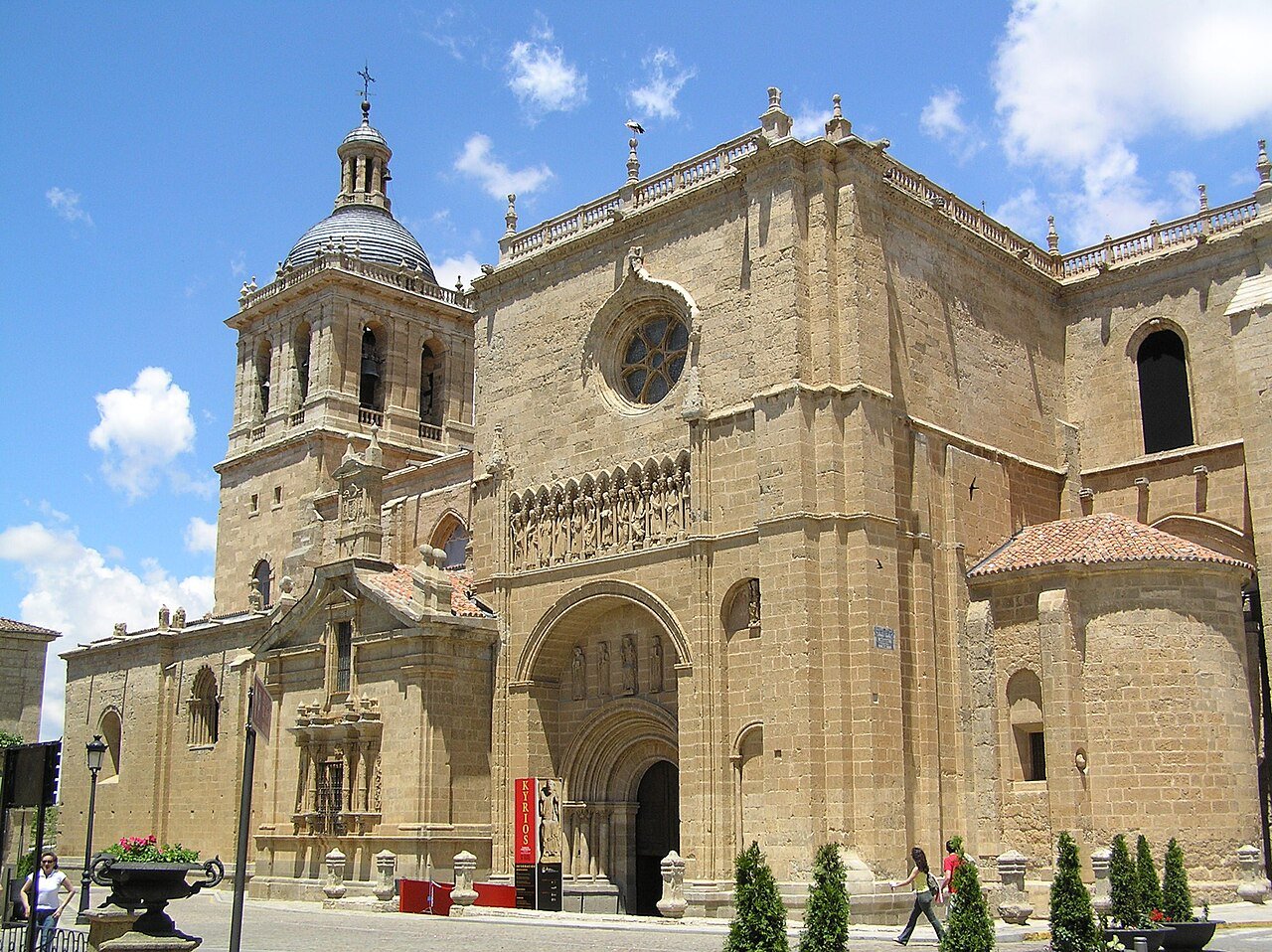
A walled town near Portugal with a cathedral, a castle now a parador and an old town full of palaces.
Segovia
A Bourbon palace at the foot of the Guadarrama mountains, with gardens inspired by Versailles and monumental fountains.
Ávila
Mudéjar town where Isabella the Catholic was born in 1451, encircled by an almost circular brick wall.
Ávila
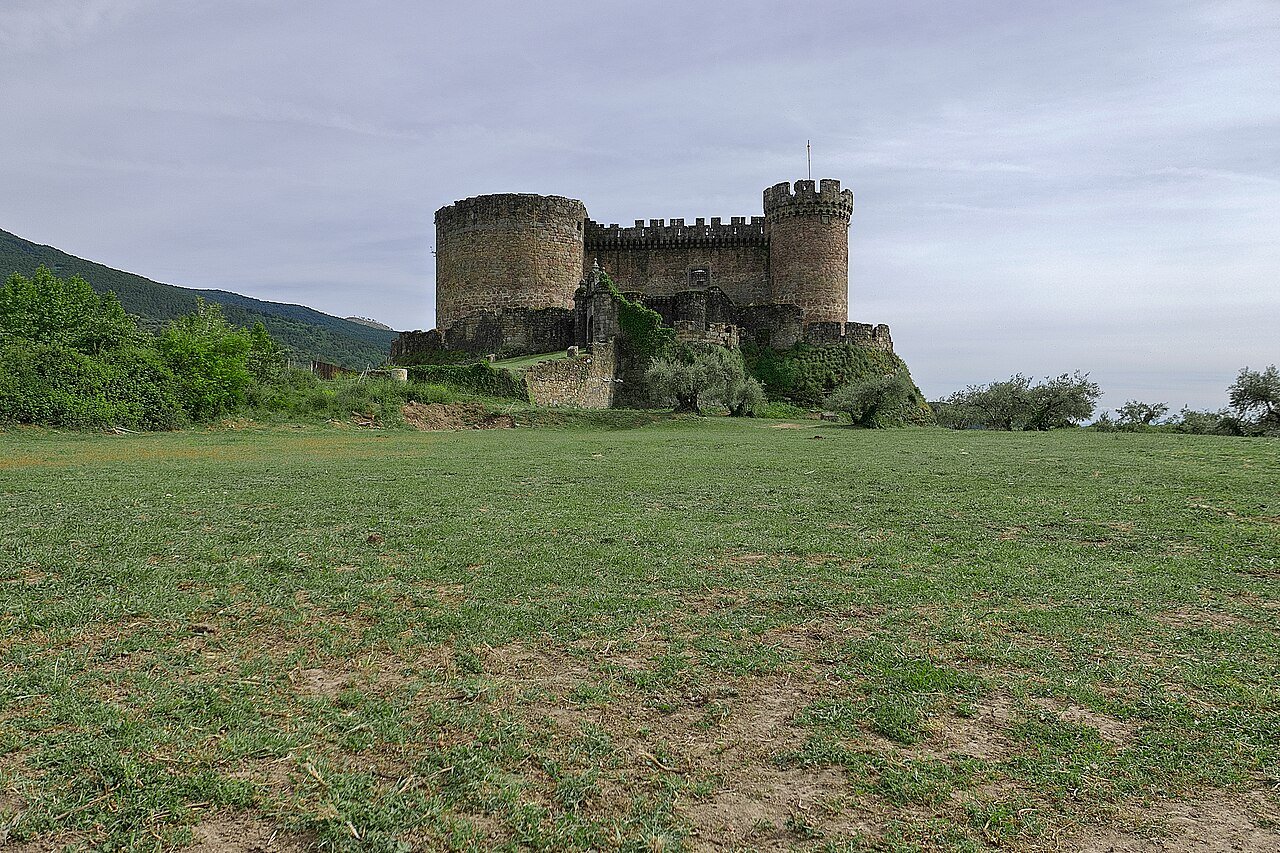
Fifteenth-century fortress of the Dukes of Alburquerque overlooking the Tiétar valley from the southern slopes of Gredos.
Burgos
Cistercian convent founded in 1187 by Alfonso VIII, a royal pantheon with a museum of medieval textiles unique in Europe.
Burgos
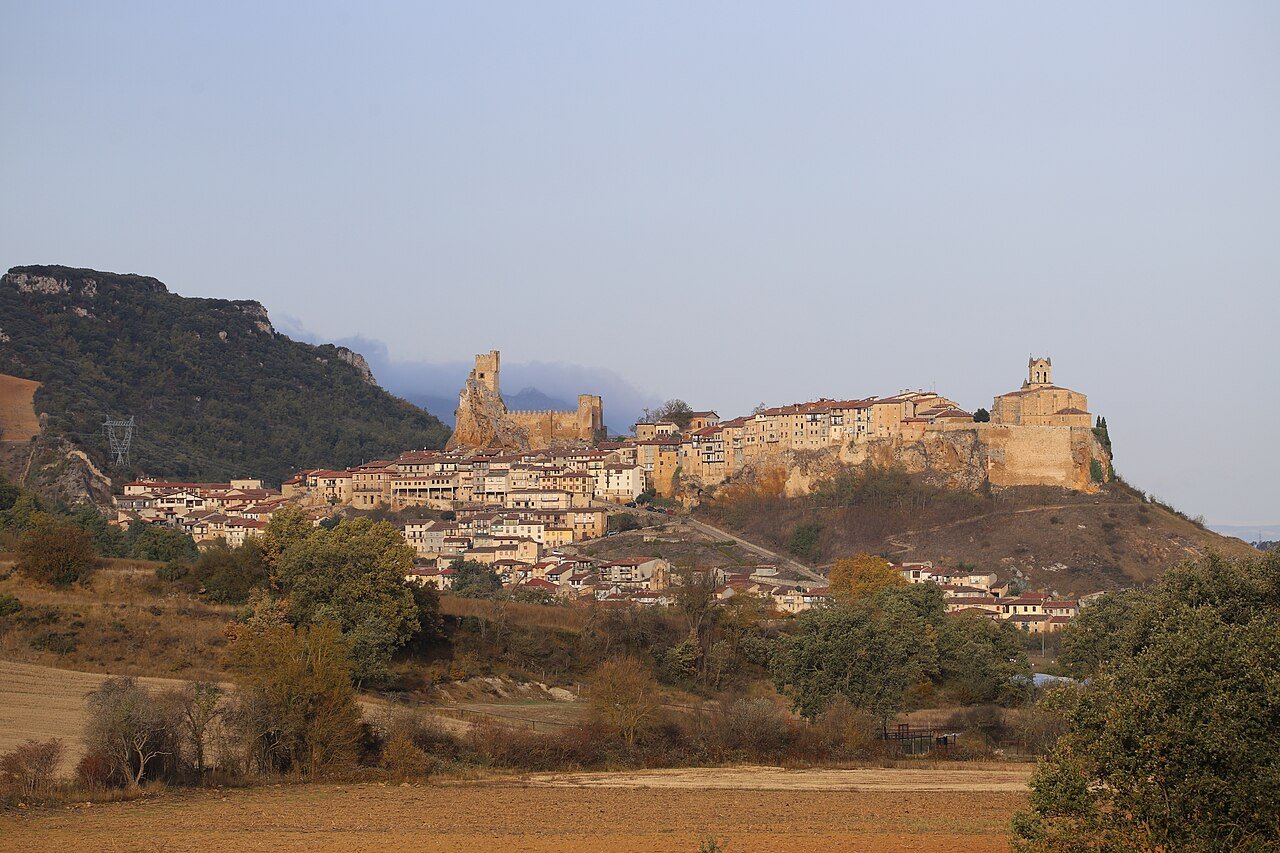
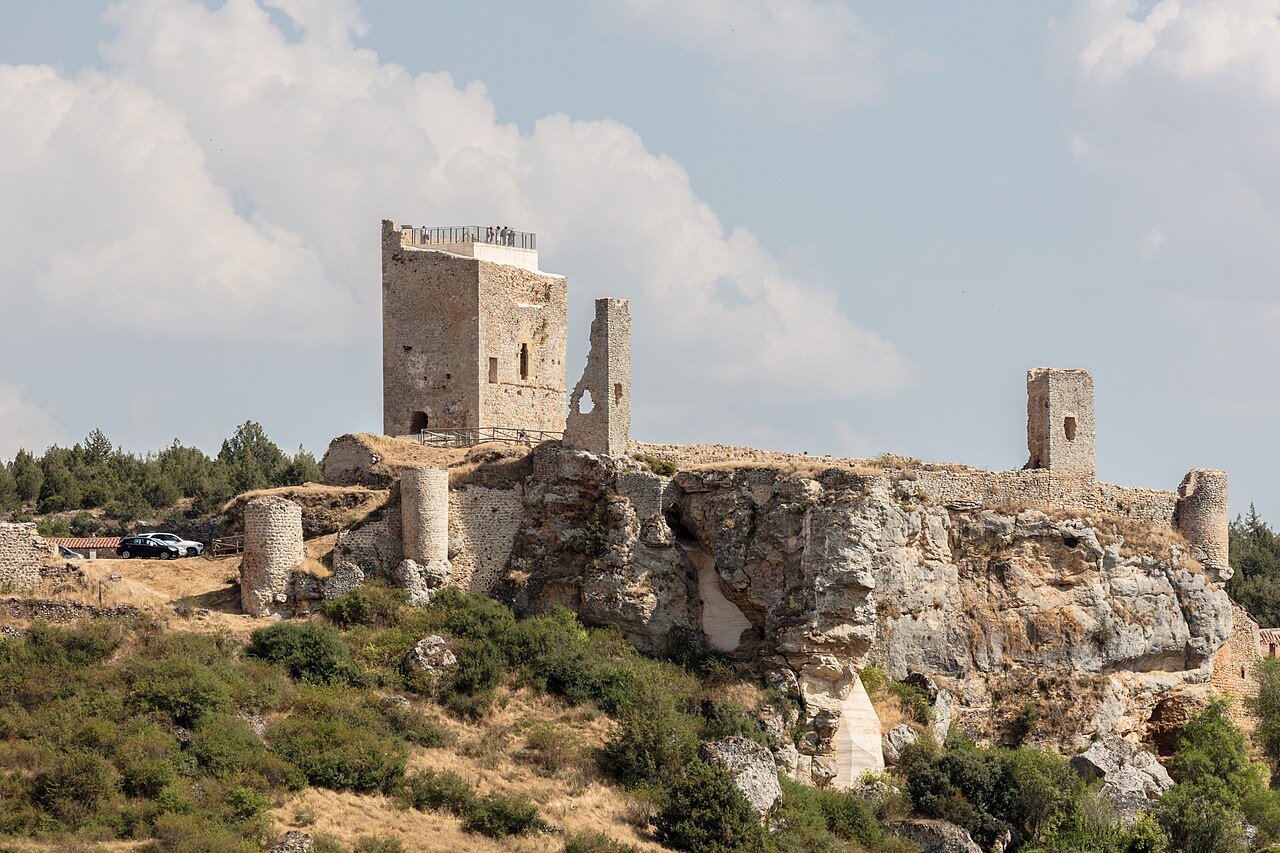
Tiny city in Las Merindades with houses hanging over the rock, a hilltop castle and a medieval bridge over the Ebro.
León
Romanesque complex whose Royal Pantheon keeps twelfth-century paintings known as the Sistine Chapel of Romanesque art.
León
Karst cave carved by the Valporquero stream, with halls of stalactites and an underground route at 1,300 metres above sea level.
Palencia
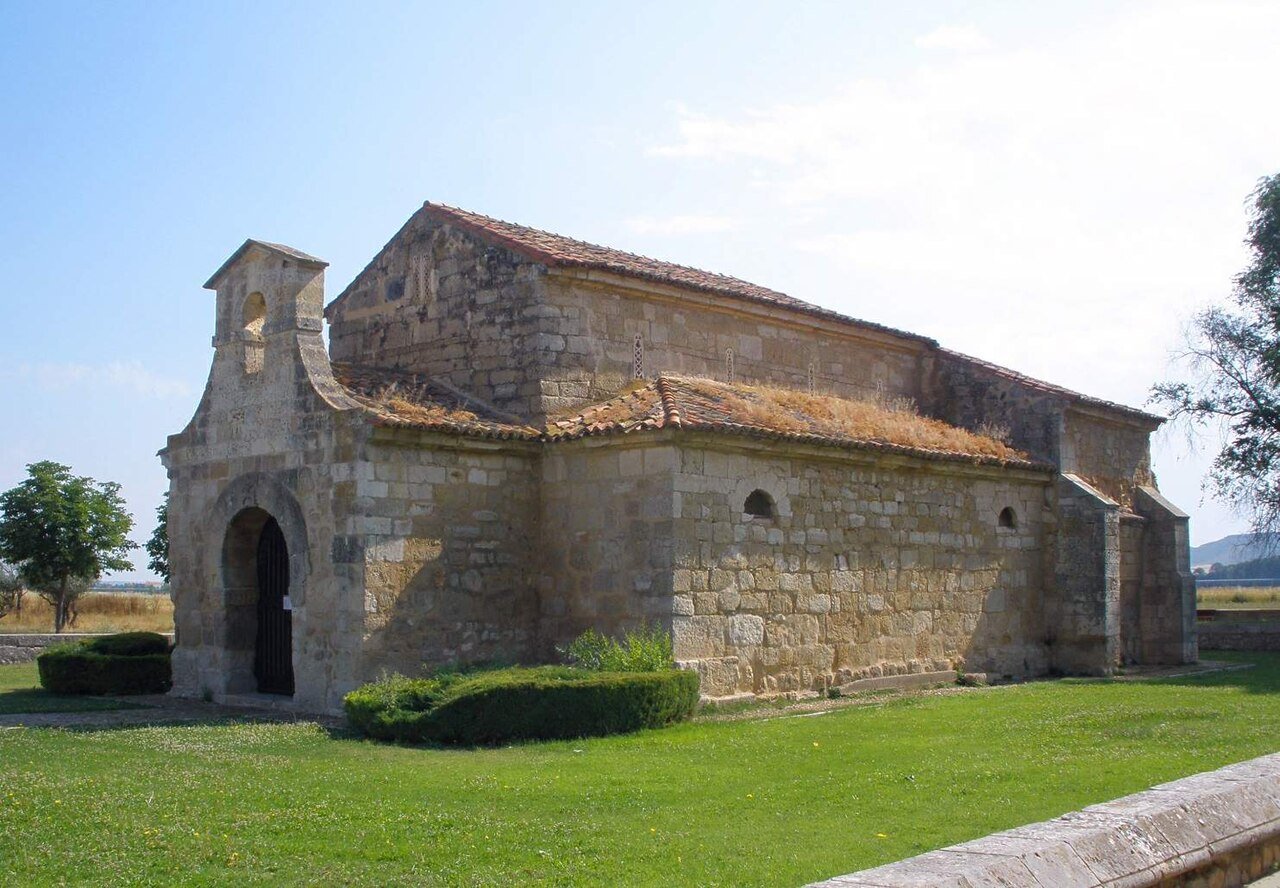
Visigothic church commissioned by King Recceswinth in 661, one of the oldest churches still standing in Spain.
Palencia
Town in the Palencia mountains with a castle on the crag, the monastery of Santa María la Real and a reservoir on the Pisuerga.
Salamanca
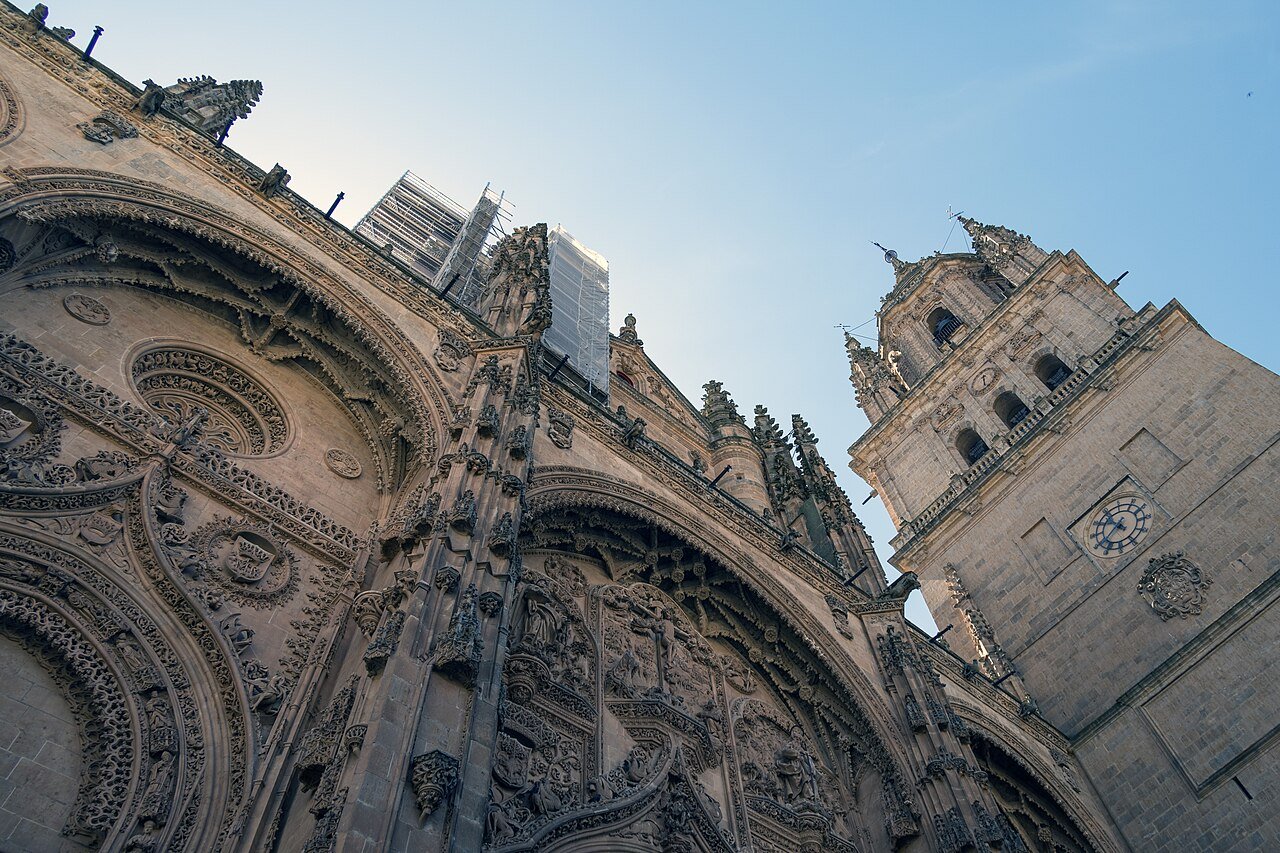
Two joined cathedrals, the twelfth-century Romanesque Old and the Gothic New, whose Ieronimus towers offer views over the city.
Salamanca
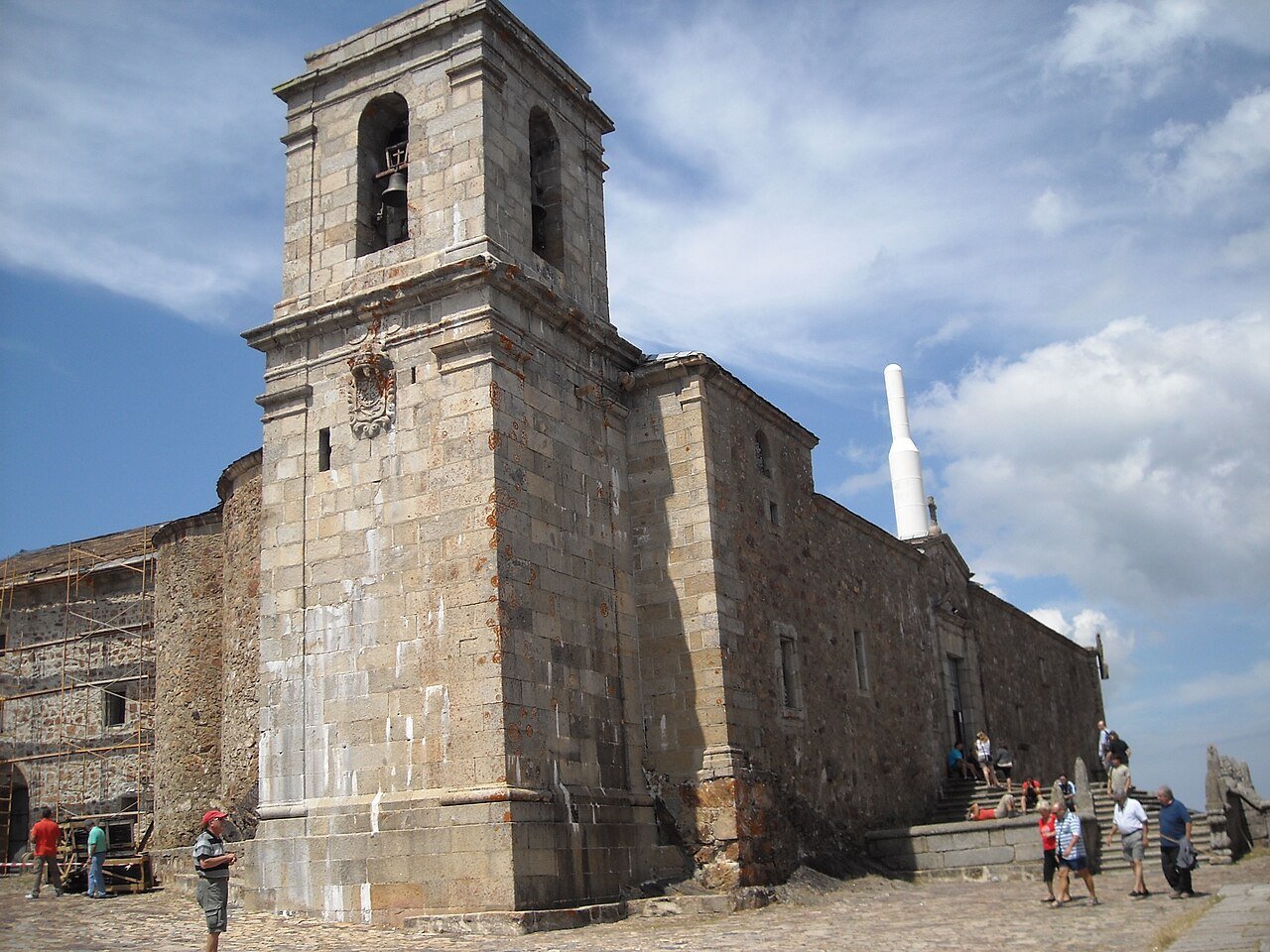
Peak of 1,723 metres crowned by a Dominican sanctuary, with views over the Sierra de Francia and Las Batuecas.
Segovia
Fifteenth-century Mudéjar brick castle built by the Fonseca family, with a deep moat and polygonal towers.
Segovia
Medieval town perched above the Duratón gorges, with the Romanesque church of El Salvador and seven gates in its old walls.
Soria
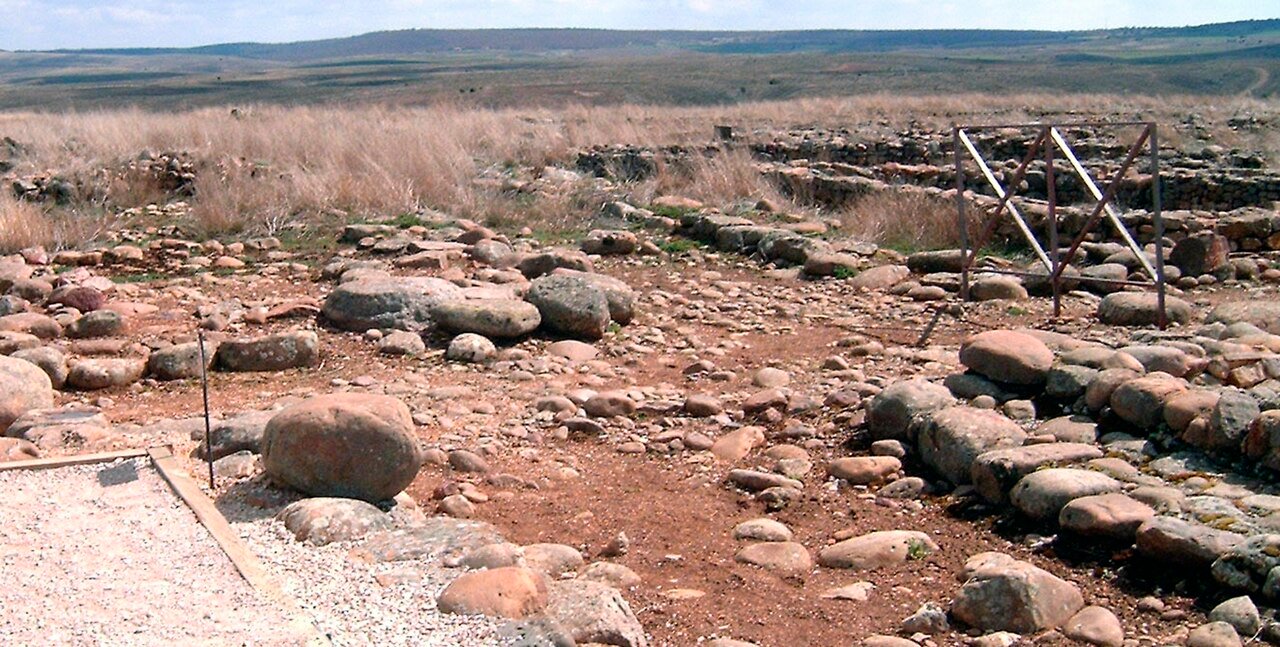
Remains of the Celtiberian city that withstood Scipio's siege in 133 BC, with houses and walls rebuilt on the hilltop.
Soria
Walled hamlet of cobbled lanes and houses with conical chimneys, beside a juniper wood and the ruins of its castle.
Valladolid
Dominican church with a spectacular late fifteenth-century Isabelline façade, next to the palace where Philip II was born.
Valladolid
Walled town on the Montes Torozos that became Spain's first Book Town, full of bookshops and small museums.
Zamora
Wine town above the Duero whose Collegiate Church of Santa María la Mayor holds the painted Majestad portal.
Zamora
Late seventh-century Visigothic church, moved stone by stone in 1930 to save it from a reservoir on the Esla.
Few regions have as many World Heritage Sites as Castile and León: the Aqueduct of Segovia, the Walls of Ávila, Burgos Cathedral, Salamanca, the Atapuerca sites and Las Médulas. Its nine provinces also offer Gothic cathedrals, castles and natural areas such as the Sierra de Gredos and Lake Sanabria.
A classic route links Segovia, Ávila, Salamanca, Zamora, León and Burgos: aqueduct, walls, the University and the great Gothic cathedrals, with short distances between cities.
Spring and autumn are ideal for touring its cities. Winter is cold, especially in León, Burgos and Soria, but the old towns are free of crowds.
Pedraza, Covarrubias, La Alberca, Ciudad Rodrigo, Puebla de Sanabria and Medinaceli are among the prettiest.